Why Kids Lead the Way
act 3 — scene 3
This scene examines the most exciting elements driving Edutainment 3.0 - with a focus on how children's learning preferences are shaping the broader landscape.

Don't Underestimate the Power of Toys
Venture capitalist Chris Dixon once noted:
"The next big thing will start out looking like a toy."
This principle extends far beyond tech startups. In edutainment, toys remain powerful educational tools - and what works for kids often points the way forward for everyone else.
Kids Are Ahead of the Curve
Children and their learning preferences dictate market trends. Brands are evolving to maintain engagement both in classrooms and beyond.
Here are three companies showing what's possible:
Encantos
A digital app teaching creative and critical thinking through storytelling, helping children develop problem-solving skills and emotional expression.
Tonies
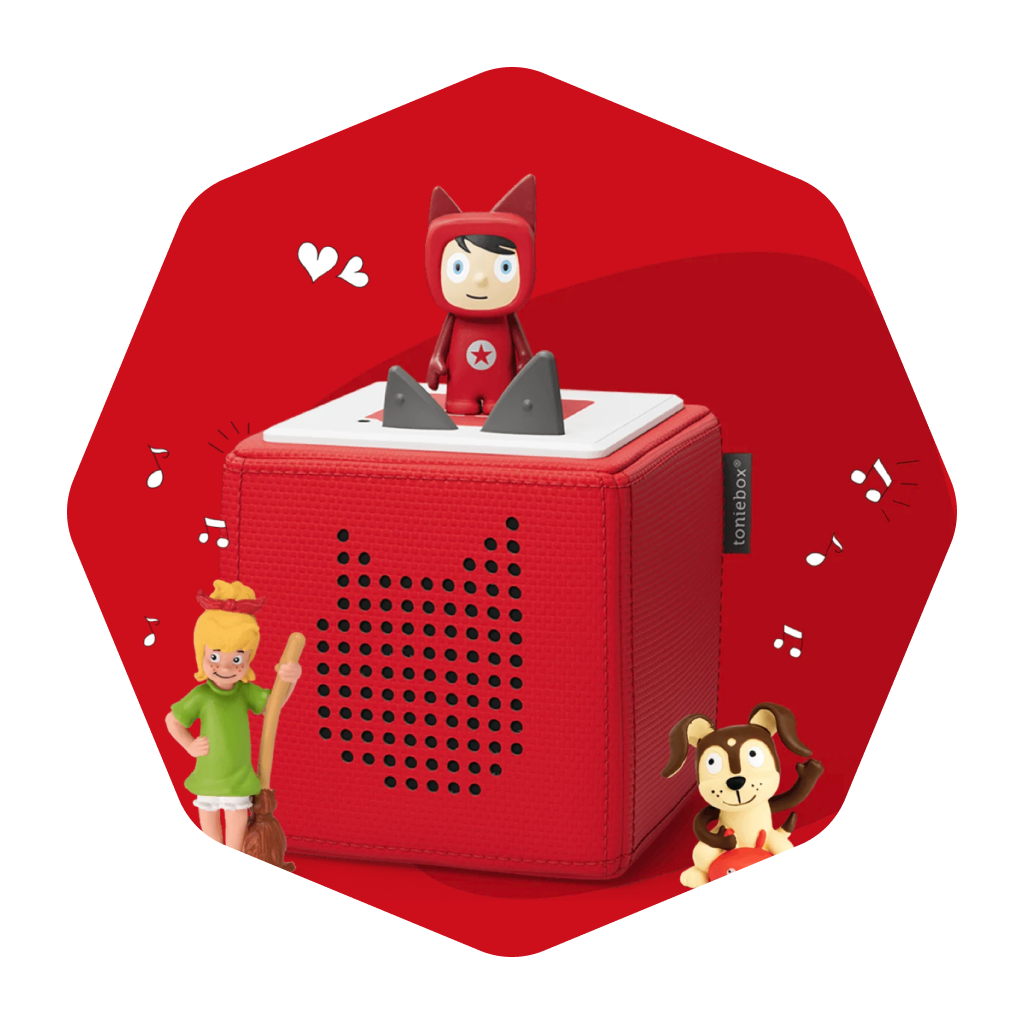
The Toniebox is a screen-free device for ages 3+ that plays stories and songs, encouraging imaginative play without e-commerce features. The company has sold 1.7 million units.
Kide Science
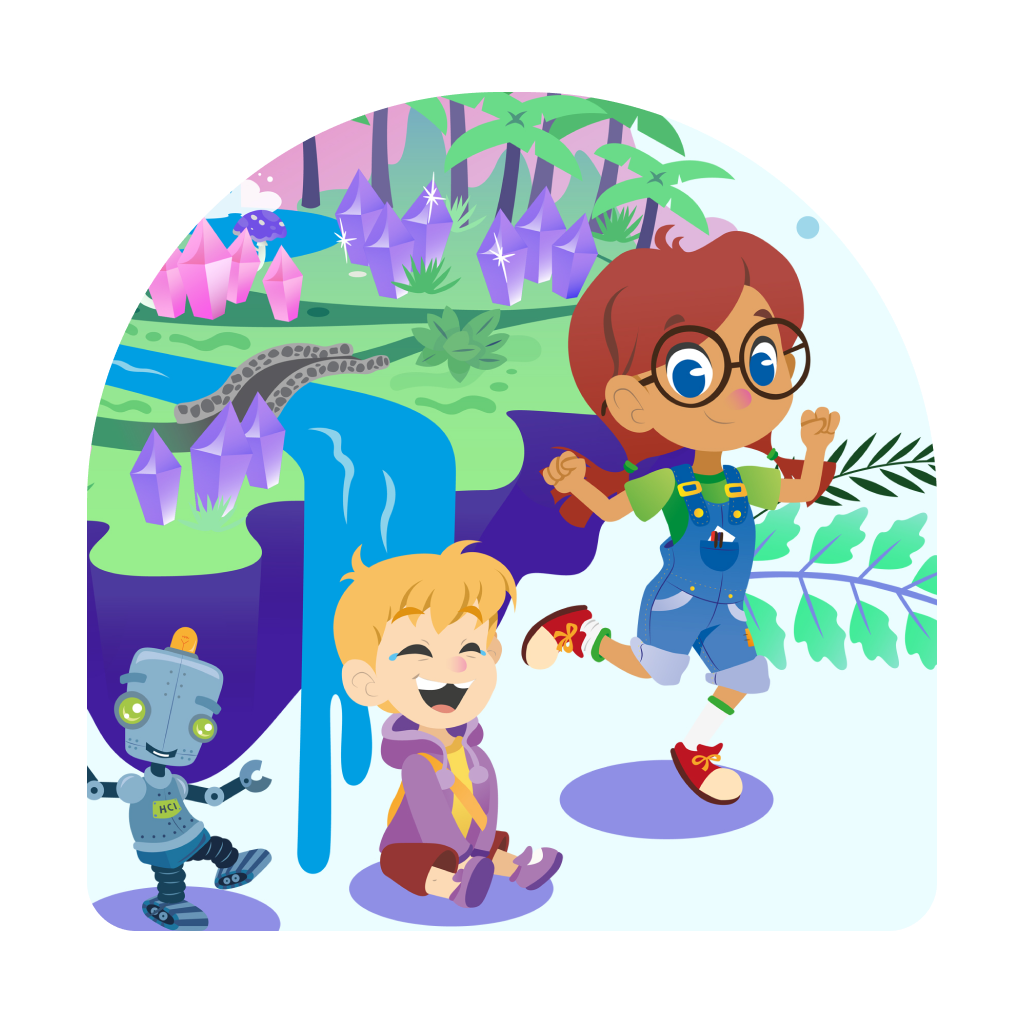
Founded in 2017, this platform combines play, story, imagination, and STEAM education for children aged 3-8, with video guidance for parents and teachers.
Why Kids' Content Matters Now
Optionality
Modern children have unprecedented platform choices - YouTube, apps, livestreams. This increases exposure risks, making dedicated children's platforms with protective policies essential.
Brands Step Up
Companies are providing free resources to families, building long-term trust and loyalty through meaningful support.
Blended Future
Survey data tells the story:
- 32% of parents report increased educational content consumption since lockdowns
- 72% plan continued supplementation even when schools reopen
Kids Media & Tech: Leading the Way
Notable players are showing what's possible:
Tappity

Interactive science for kids—making complex concepts accessible through engaging digital experiences.
Hellosaurus
Choose-your-own-adventure shows where kids become co-stars in interactive storytelling.
Moonbug Entertainment

Creators of CoComelon, the 3rd-most-subscribed YouTube channel globally with 97 million subscribers and 3 billion monthly views.
CoComelon
Kids' media isn't just relevant to edutainment—it IS edutainment.
Considerations for the Future
Emotional Intelligence
Programming focusing on the whole child, beyond cognitive skills. Social-emotional learning matters.
Positive Thinking
Characters modeling hard work, determination, and teamwork. Stories that inspire without being preachy.
Inclusive Access
Content available across digital and physical formats. Meeting kids where they are.
Five Learning Lessons from Kids
What can adult edutainment learn from children's content? Here are five key insights:
1. Socially Conscious Play
Toys promoting diversity, sustainability, and global citizenship. Values woven into the experience, not bolted on.
2. Safety & Curation
Content appealing to both children and parents. Trust is earned through consistent quality.
3. Real-Life Relevance
Addressing social justice, mental health, and identity development. Not shying away from what matters.
4. Engaging Participation
Learning designed to be fun and voluntary. Enrollment over enforcement.
5. Social Learning
Platforms combining learning with social networking features. We learn better together.
Other Notable Projects
- Tuttle Twins: Book series teaching economics and government, expanding to TV series via crowdfunding
- The New York Times (Kids): Beta testing an iPad app featuring interactive adventures
- Patchwall: Indian platform experiencing 205% growth in kids' streaming viewership
- Pants Bear: Show innovating in mobile-first marketing through GIPHY and Tenor integration
The Bottom Line
Edutainment succeeds at teen and adult levels by adopting principles from children's content:
- Prioritizing engagement
- Fostering social connection
- Building global citizenship awareness
Kids lead the way because they haven't forgotten what makes learning feel worth doing.
← Scene 2: Macro Trends | Act 4: Eight Trends for Edutainment 3.0 →