Cultural Institutions Reimagined
act 4 — scene 3

Imagine... A guided museum tour featuring mythical creatures at the Smithsonian, narrated by a holographic David Attenborough riding a unicorn.
What's Happening?
Museums and cultural institutions are repositioning themselves through Edutainment 3.0. According to Dorothy Di Stefano, founder of Molten Immersive Art:
"You can't separate the two: entertainment is crucial to the education process."
The sector is integrating innovative storytelling and immersive technologies while creating cultural crossovers—data shows nearly 70% of crossover product purchasers are new to museum brands.
Why This Matters: The term "museum" often carries associations with dullness. To remain relevant and compelling, institutions must embrace Edutainment 3.0, transforming mundane experiences into dynamic, interactive, and memorable ones.
In Action: Cultural Institutions Reimagined
Brooklyn Museum × Netflix
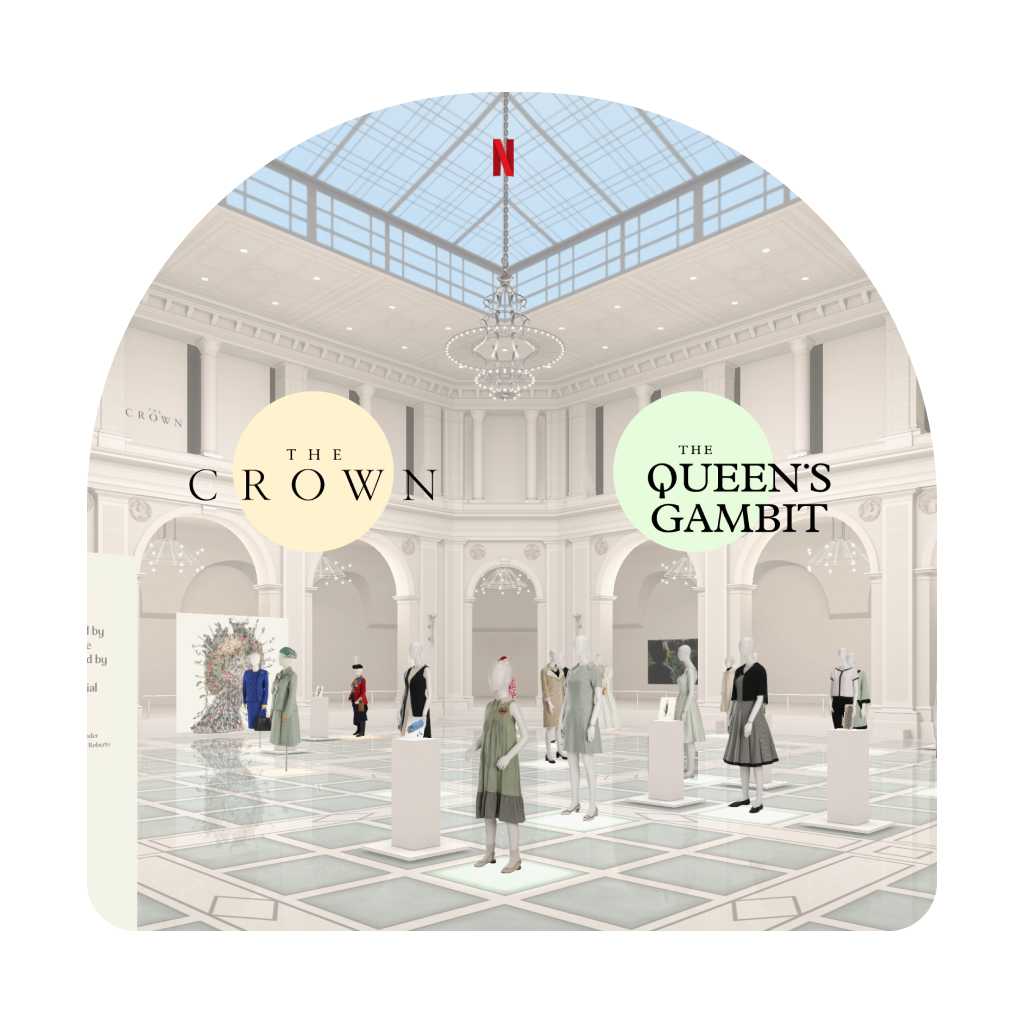
Virtual exhibit showcasing costumes from The Crown and The Queen's Gambit, curated with museum collection pieces relating to show themes.
American Museum of Natural History × Etsy
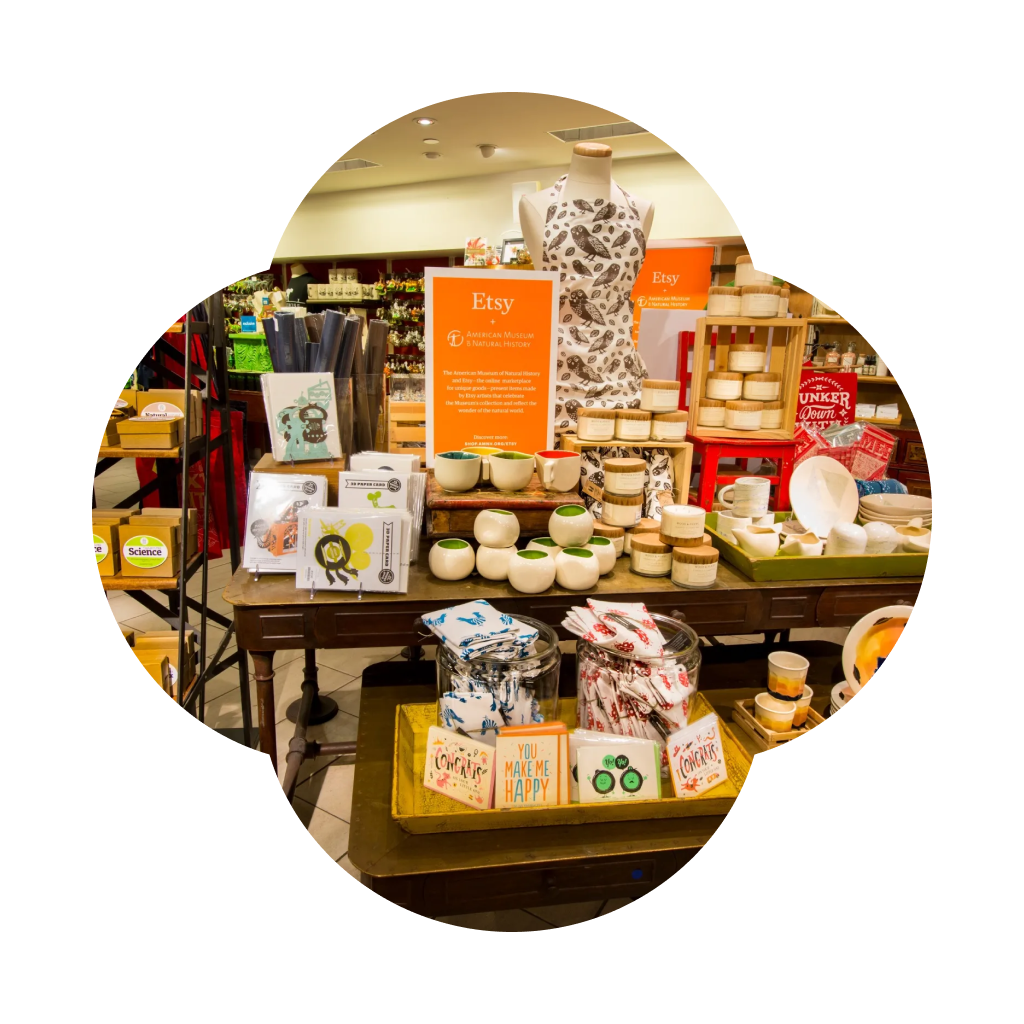
Collaborative collection featuring museum-inspired artisan products like porcelain jewelry and hand-painted pouches, supporting individual creators.
Spyscape
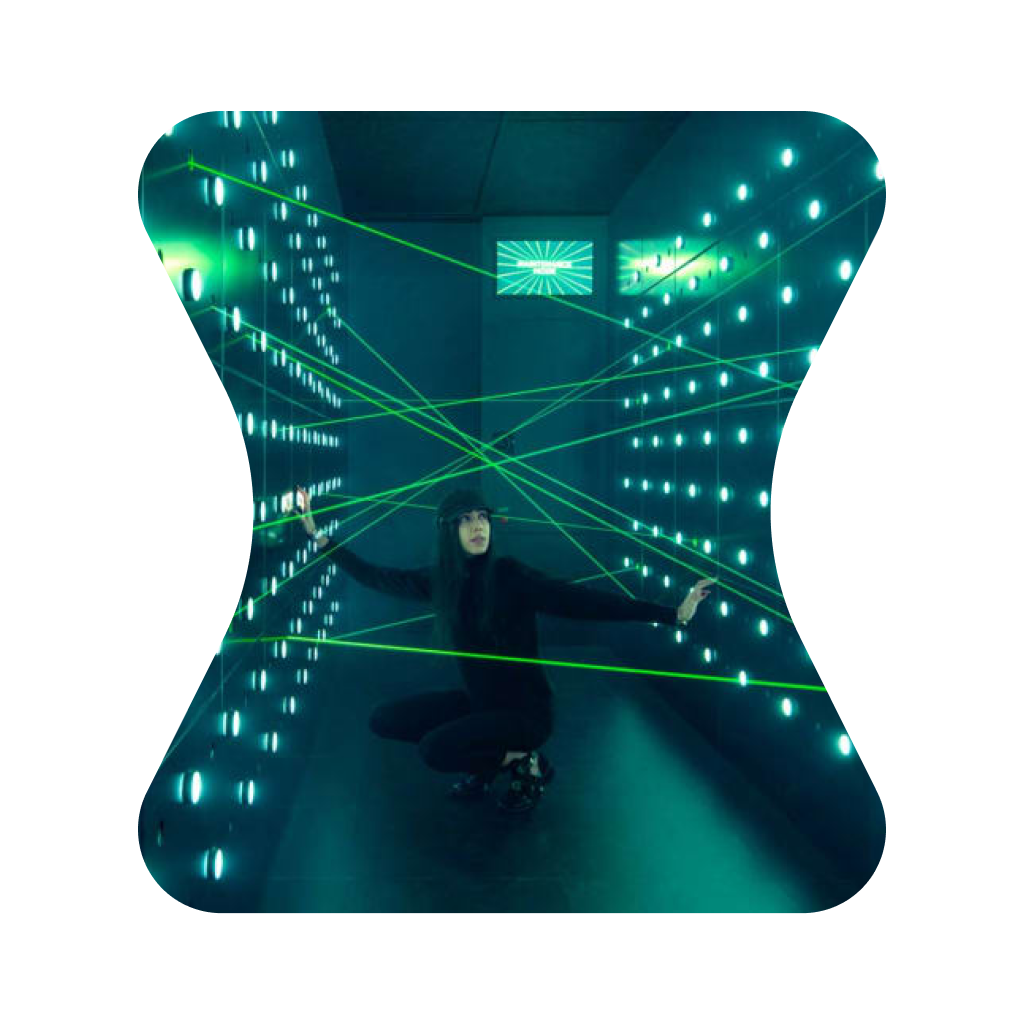
A 60,000-square-foot interactive "spy museum" where visitors complete challenges, discover spy profiles, and test lie-detection skills.
Louvre × Airbnb
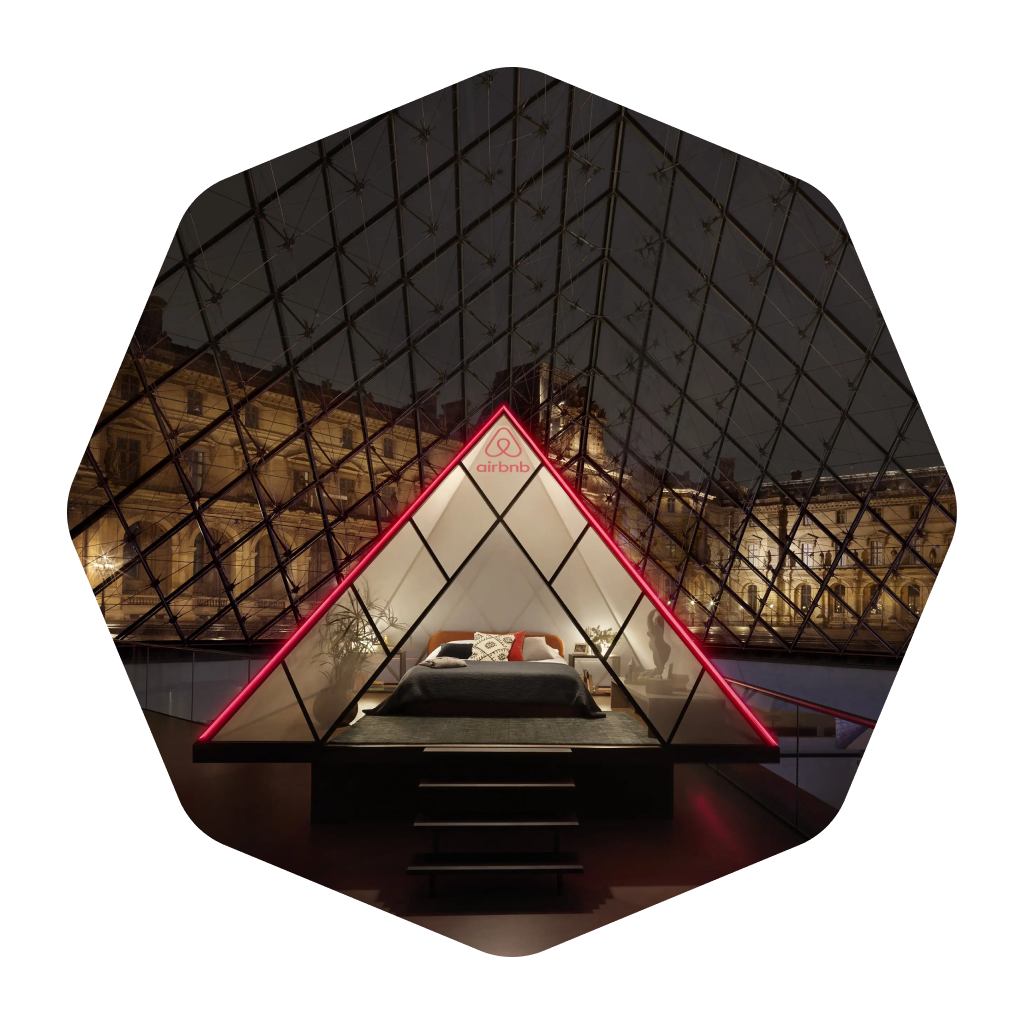
Exclusive overnight experience featuring private museum access and accommodation beside the iconic pyramid.
Louvre × Casetify
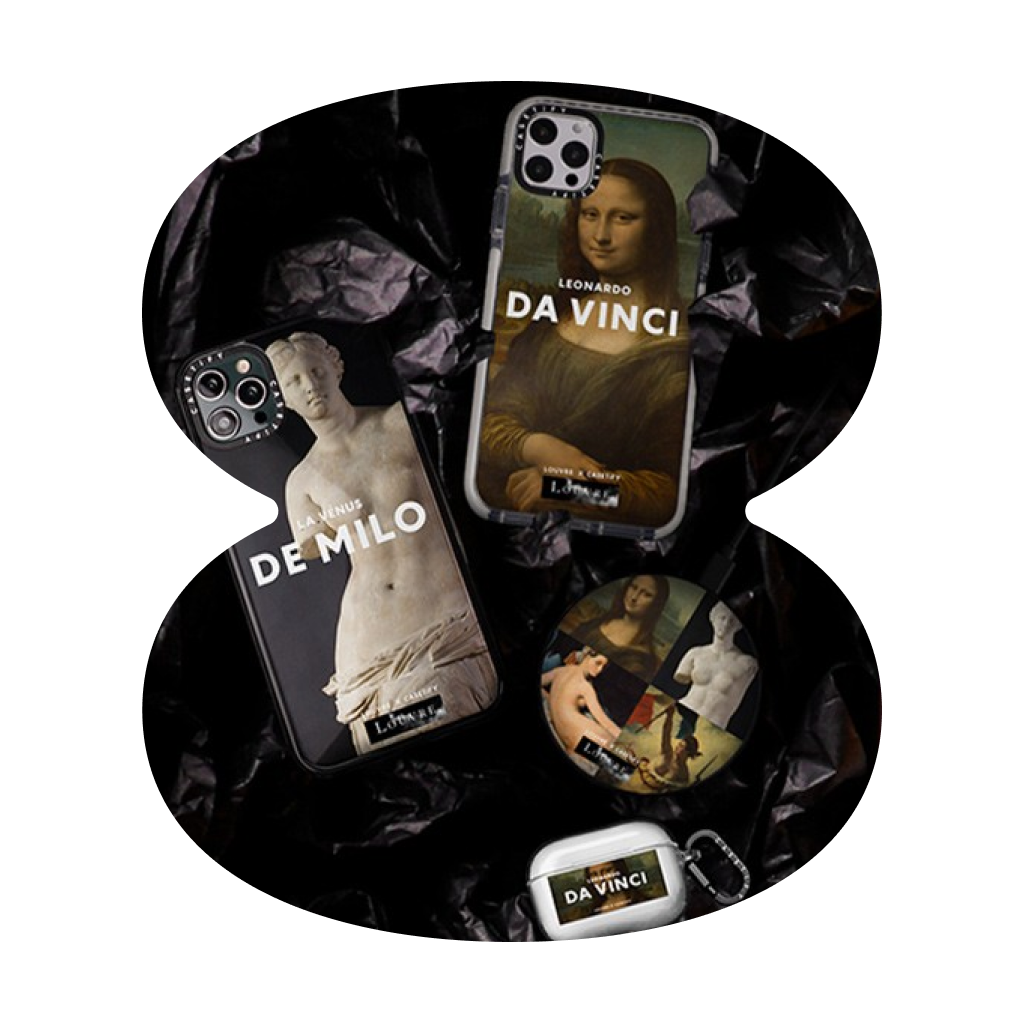
Tech accessory collaboration producing art-inspired phone and AirPod cases. Brand partnerships reportedly generated $5.3 million in 2020 versus $3.2 million in 2019.
Key Themes for Edutainment 3.0
Cultural Institutions as Status Symbols
Brands leverage positive associations with museums for prestige and credibility.
Meaningful Ad Campaigns
Consumers prefer brands with aligned values; culture-based positioning strengthens messaging.
Edutainment as Quality Time
Transforms history viewing into shared adventures for families—quality time with educational value.
In Action: Ones to Watch
Chinese Museums
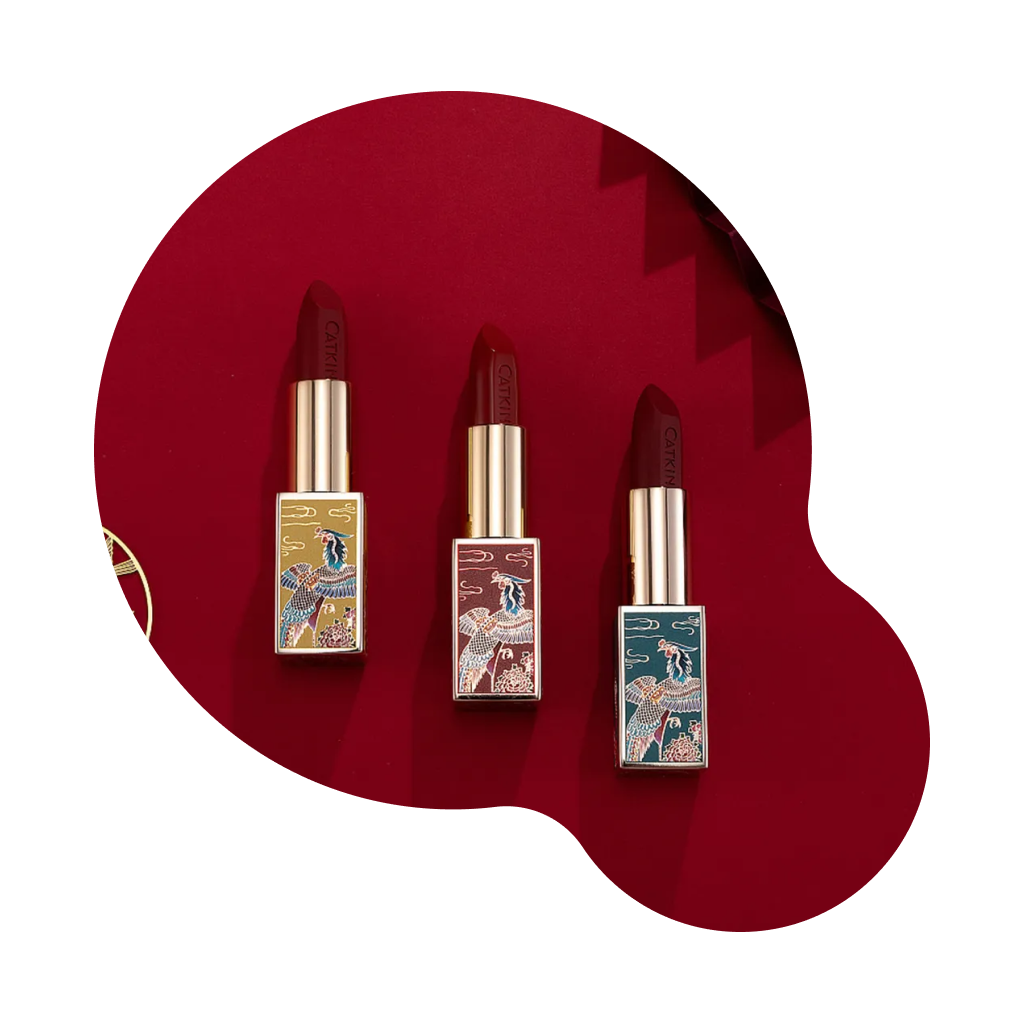
Fourteen museums operate Tmall stores; Gen Z enthusiastically engages with artifact-inspired brand collaborations.
Special Agent - AI Digital Characters

Producer Jeff Apple creates motion-capture AI historical figures; first project features digital JFK for drama series.
DDR Museum - TeAR Down This WALL

Minecraft Earth augmented reality tool enabling participants to construct and deconstruct the Berlin Wall with supporting educational materials on border impacts.
Cultural vs. Classical
"We're going to see a real proliferation of new concepts in North America."
— Michael Collins, Senior Partner, Leisure Development Partners
New edutainment brands themselves may become cultural institutions.
Guidelines for Greatness
Use 3 Approaches
Customized, Selective, and Universal strategies for edutainment experiences.
Smartphone Friendly
Design Instagram-worthy installations and shareable exhibits.
Design Matters
Intentionally select cultural IP collaborations while avoiding aesthetic fatigue.
Opportunities
- Embrace New Platforms: Experiment across analog and digital formats (UK's Black Country Living Museum succeeded on TikTok)
Challenges
- Maintain Contextual Awareness: Avoid commodifying sensitive historical sites; TIME's MLK Fortnite activation faced backlash from inappropriate user content
Spark Your Creativity
- Design micro-quests encouraging immersive exploration
- Develop inclusive, multi-generational experiences
- Partner with institutions exploring Liquid IP collaborations
← Scene 2: Tackling Wicked Problems | Scene 4: Play-to-Learn →