Play-to-Learn
act 4 — scene 4

Imagine... Liberty Mutual creating a virtual driving school where participants design their own games for others to play in a simulator. Successful game designers and players earn insurance premium discounts—combining real-world situations with personalized avatars and vehicles.
What's Happening?
Play serves critical roles in human development by fostering creativity, connection, and intrinsic motivation. Games are particularly effective educational tools, allowing skill development and hypothesis testing without real-world risks.
In Education: Schools from Montessori classrooms to universities employ games for learning strategy and entrepreneurial thinking.
In Business: Gaming engagement is expanding as brands seek first-party data collection and educational positioning through interactive experiences.
What's Different Now?
Two significant shifts are occurring:
1. Getting Serious
Advanced serious games now offer complexity, flexibility, and realism that create genuinely engaging experiences rather than superficial "chocolate-covered broccoli."
2. Democratization
Decreased barriers to game creation through open-source components and accessible digital tools enable broader participation in game design.
As design educator Matteo Menapace explains:
"Games have huge expressive potential. They make complex systems understandable, empower engagement with tough questions."
In Action: Play-to-Learn Examples
Synthesis

Accessible weekly simulations developing soft skills including critical thinking, collaboration, and voice cultivation for learners of all ages.
Assassin's Creed: Discovery Tour

Educational modes enabling exploration of Ancient Egypt, Greece, and Viking-era settings through character-driven quests and missions, emphasizing learning by doing without combat elements.
Blinkist

Gamified app using core drives to make non-fiction reading achievable in 15-minute summaries, fostering competency feelings and learning motivation.
Lifesaver

CPR crisis simulator combining interactive gameplay with live-action storytelling to teach life-saving techniques through compelling narratives.
LEGO Serious Play
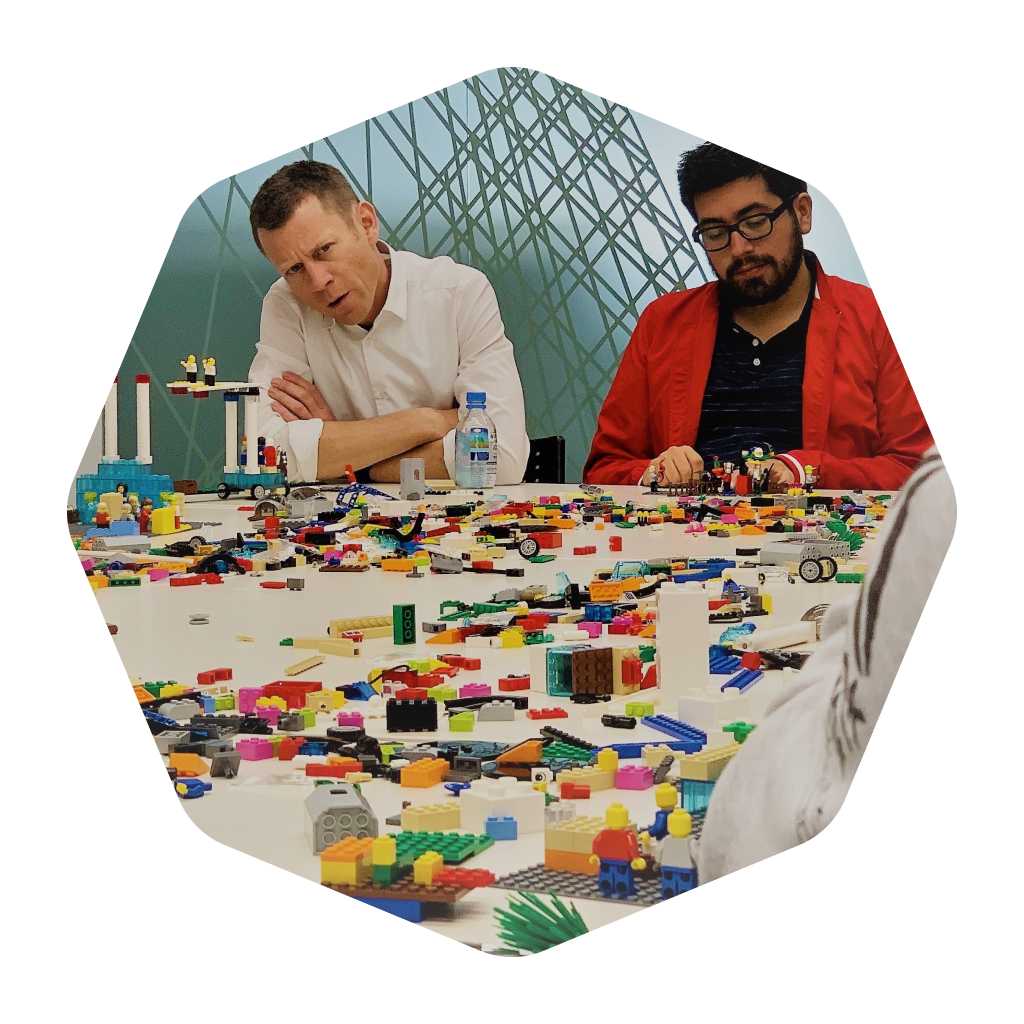
Facilitation methodology where teams build metaphorical LEGO structures to enhance innovation, communication, and problem-solving capabilities.
Blockly Maze
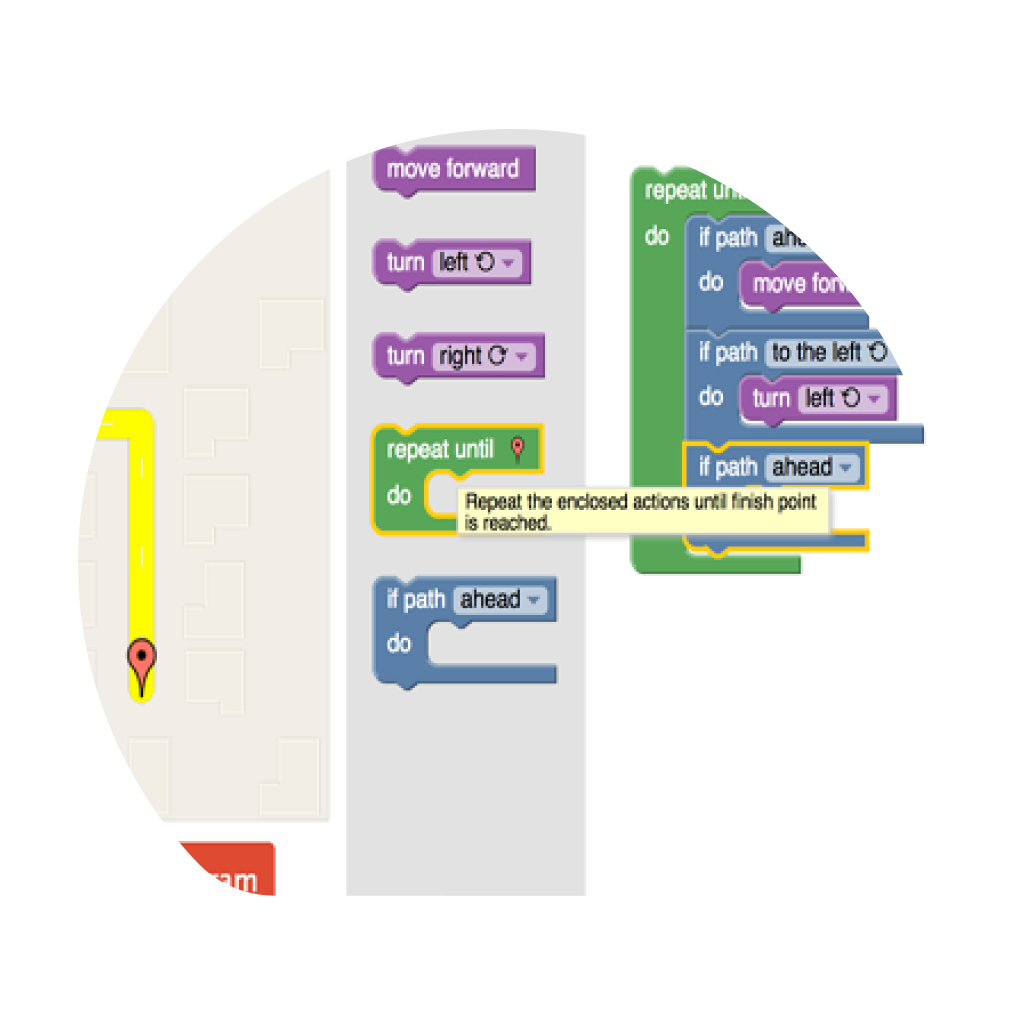
Google's open-source programming introduction using visual block-coding, teaching problem-solving through maze-navigation challenges.
Key Themes for Edutainment 3.0
Constant Participation
Sustained user engagement through compelling mechanics drives repeated interaction and deeper learning.
Community Enhanced
Peer exchange and friendly competition motivate extended participation and skill development.
Rapid Feedback Loops
Immediate response systems maintain engagement more effectively than repetitive actions without feedback.
In Action: Ones to Watch
Beyond Blue
Single-player narrative game where players explore deep-sea environments as oceanographer Mirai, cataloging marine life while building relationships.
Wavetable Portal

Open innovation platform combining experiential learning, Web3, and brand collaboration through timeboxed challenges where participants build skills and earn rewards.
Daybreak
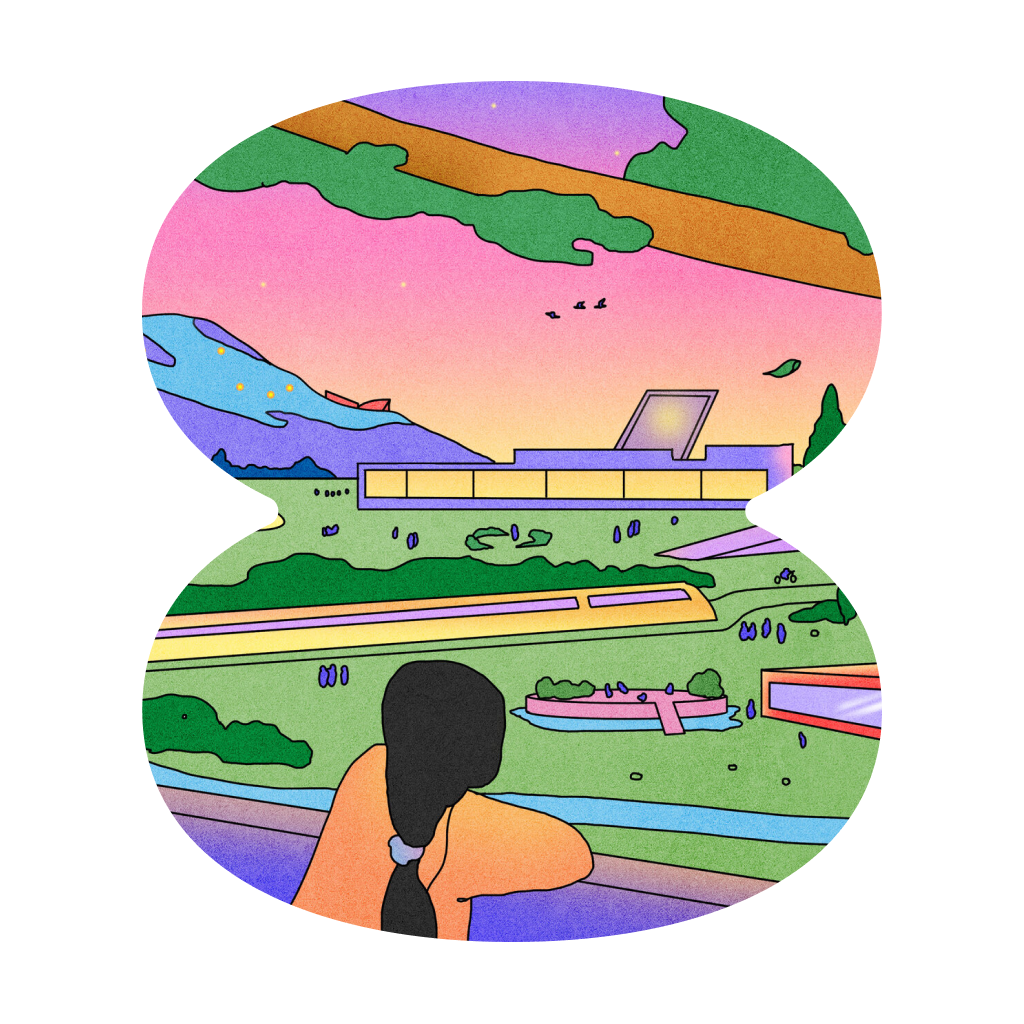
Climate change strategy game requiring collaborative global policy deployment to prevent ecological collapse, emphasizing cooperative problem-solving.
Guidelines for Greatness
Goals Matter
Establish singular, clear objectives preventing confused dynamics and ensuring measurable learning outcomes.
Play Roles
Define participant roles to clarify expectations, dynamics, and gameplay instructions.
Elements
Thoughtfully design components giving the gamified experience life and purpose.
Opportunities
- LXPs Level Up: Learning Experience Platforms enable challenges, roleplay scenarios, and leaderboards linked to professional development rewards, cultivating mastery cultures
- Grow Your Own: Open-source tools democratize prototyping, making game design accessible to broader creator communities
Challenges
- Culture, Values, and Customs: Cultural norms significantly influence game design effectiveness; universal designs often contain cultural blind spots
- Endgame Considerations: Determining when games lose appeal and smoothly transitioning experiences prevents user fatigue
- Beware The Hook: Games must remain compelling without compromising wellbeing—avoiding exploitative engagement mechanics, particularly problematic in play-to-earn models
Spark Your Creativity
- Which childhood games captivated you most, and what elements made them compelling?
- Inversely, which project components should deliberately resist gamification, and why?
← Scene 3: Cultural Institutions Reimagined | Scene 5: Teachers Are the New DJs →