Liquid IP
act 5 — scene 1

Imagine... Entertainment intellectual property transitioning seamlessly into educational contexts. Pop culture phenomena serving as the foundation for edutainment programs—from Marvel characters teaching immunology to podcast content forming music technology curricula.
What's Happening?
Macro Level Perspective
Scott Galloway observed that Disney's approach to edutainment remains underdeveloped. He noted: "The synergy of education with parks, merchandise, streaming, and singular IP is a subscription-based motherload the company hasn't tapped." Disney has begun licensing characters to education platforms like Byju's, but Galloway suggests more aggressive internal development.
Micro Level Example
A London-based coach created women's empowerment workshops through a Marvel lens, using the Loki Disney+ series to explore psychological change theory.
In Action: Liquid IP
EduHam
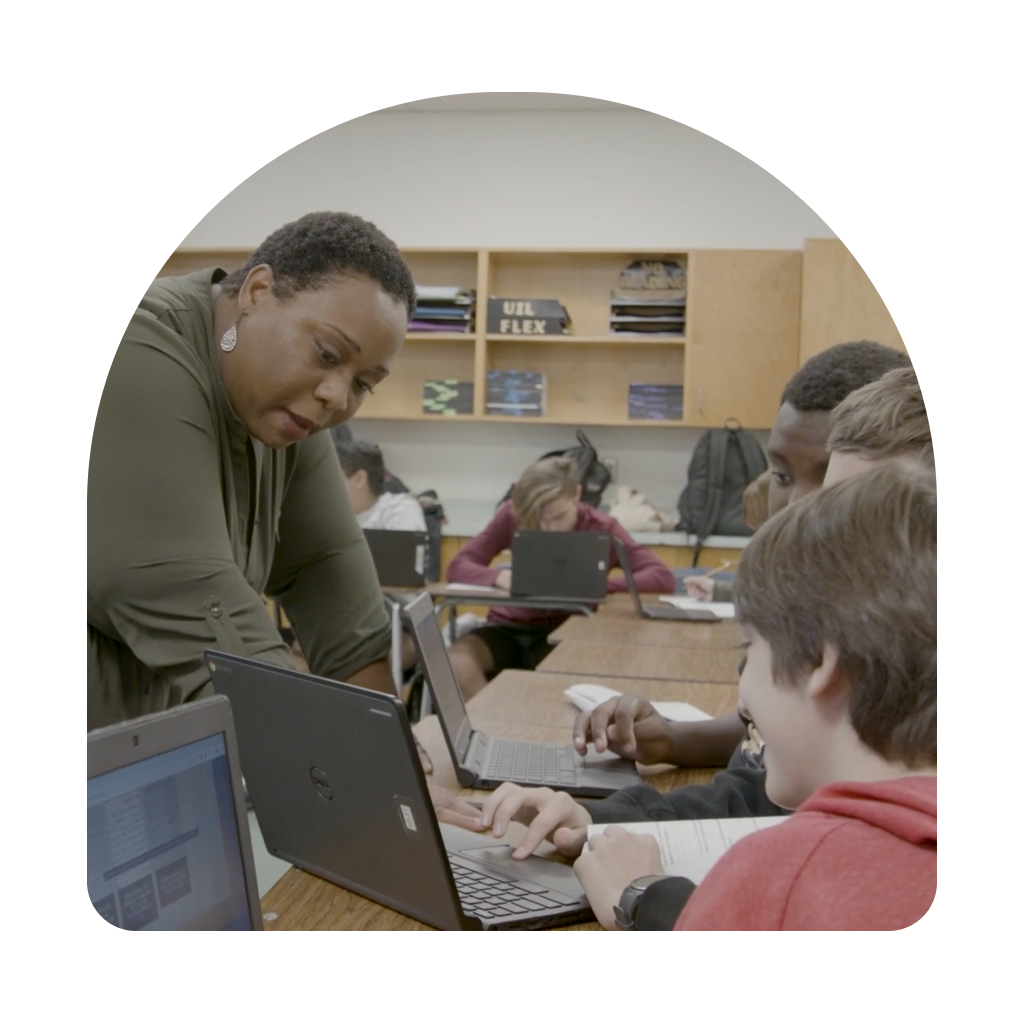
The Hamilton musical extended beyond Broadway through an open-source education program via the Gilder Lehrman Institute, enabling educators to integrate constitutional teachings into classrooms.
Yoto
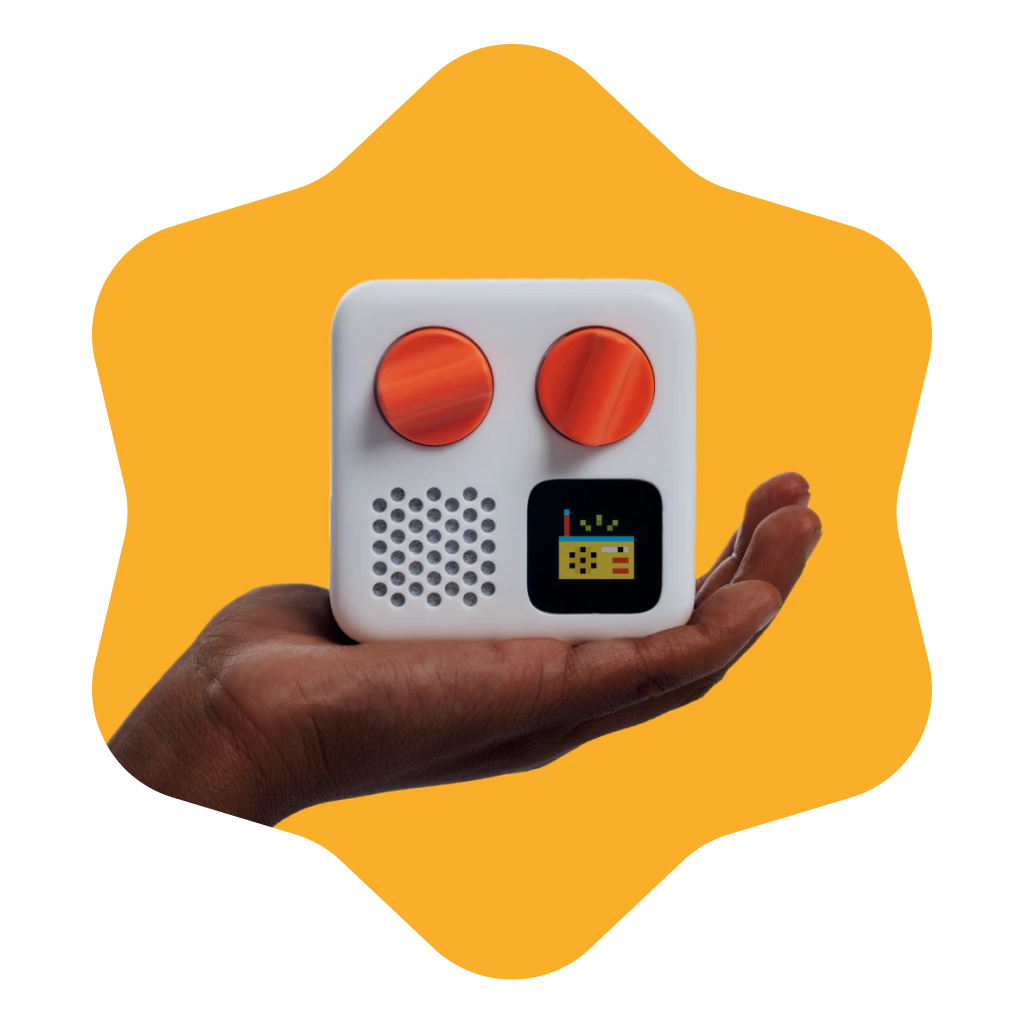
A screen-free audio platform for children uses physical cards to access content from books, film, and music—without cameras, microphones, or advertisements.
The British Museum
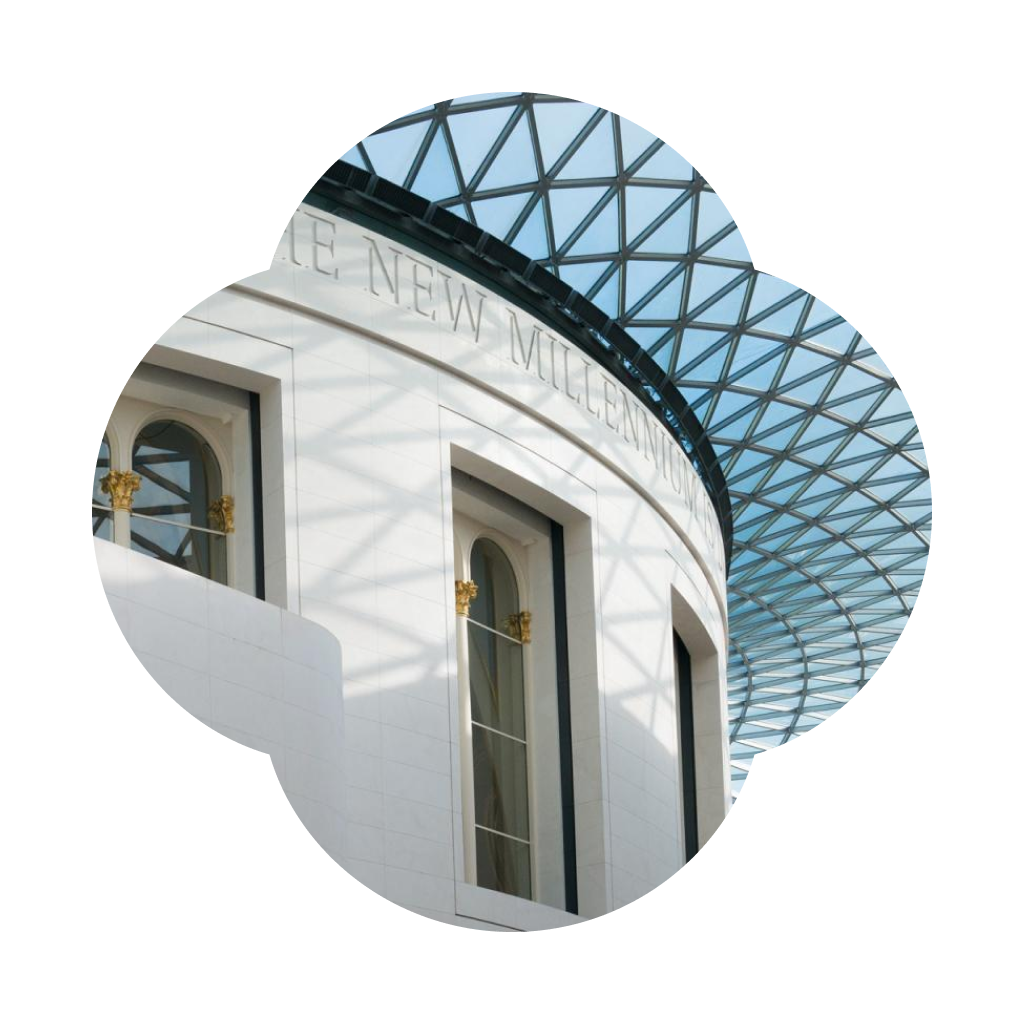
Museums are monetizing intangible cultural assets, with artifacts like Hokusai's Great Wave attracting younger audiences through licensing opportunities.
Key Differentiation: Speed and Co-Creation
Traditional IP licensing is evolving through rapid, fluid collaboration. Netflix exemplified this by supporting over 100,000 user-created Squid Game experiences on Roblox rather than pursuing legal action, recognizing co-creation's real-time potential.
Future Possibilities
The emerging metaverse and Web3 technologies will accelerate demand for character avatars and traceable IP transfers, necessitating greater flexibility from IP holders.
← Act 5: What's Next? | Scene 2: MetaLearn →