MetaLearn
act 5 — scene 2

Imagine... Direct-to-learner, learner-directed education combined with immersive digital environments, VR, AR, Web3, and DAO technologies.
What's Happening?
MetaLearn combines Web3, NFTs, Metaverse, and DAO technologies to give learners ownership of their educational experiences. By eliminating internet intermediaries, it empowers individuals to design and create their own learning pathways.
The shift moves from student-centered design toward learner-directed and potentially learner-designed experiences, where students, teachers, and designers collaborate on missions aligned with their interests.
Open World Courses
One key concept involves designing online courses like open-world games. Instead of prescriptive curricula, creators build worlds of ideas, missions, and learning quests, allowing participants to explore freely and follow their curiosities.
Metaverse Considerations
While some version of the Metaverse will likely lead this trend, caution is warranted. Meta's rebranding conflates the company with the Metaverse itself, potentially creating confusion. The advice: ask clarifying questions about mixed definitions and expectations surrounding Metaverse applications.
Web3 Intersection
Web3, crypto, and blockchain technologies already impact art, music, and fintech—and will inevitably affect EdTech and Edutainment. The Royal Shakespeare Company demonstrated potential through an immersive virtual production of A Midsummer Night's Dream using motion capture and real-time audience influence via Unreal Engine rendering.
In Action: MetaLearn Examples
Niantic AR Platform (Lightship ARDK)
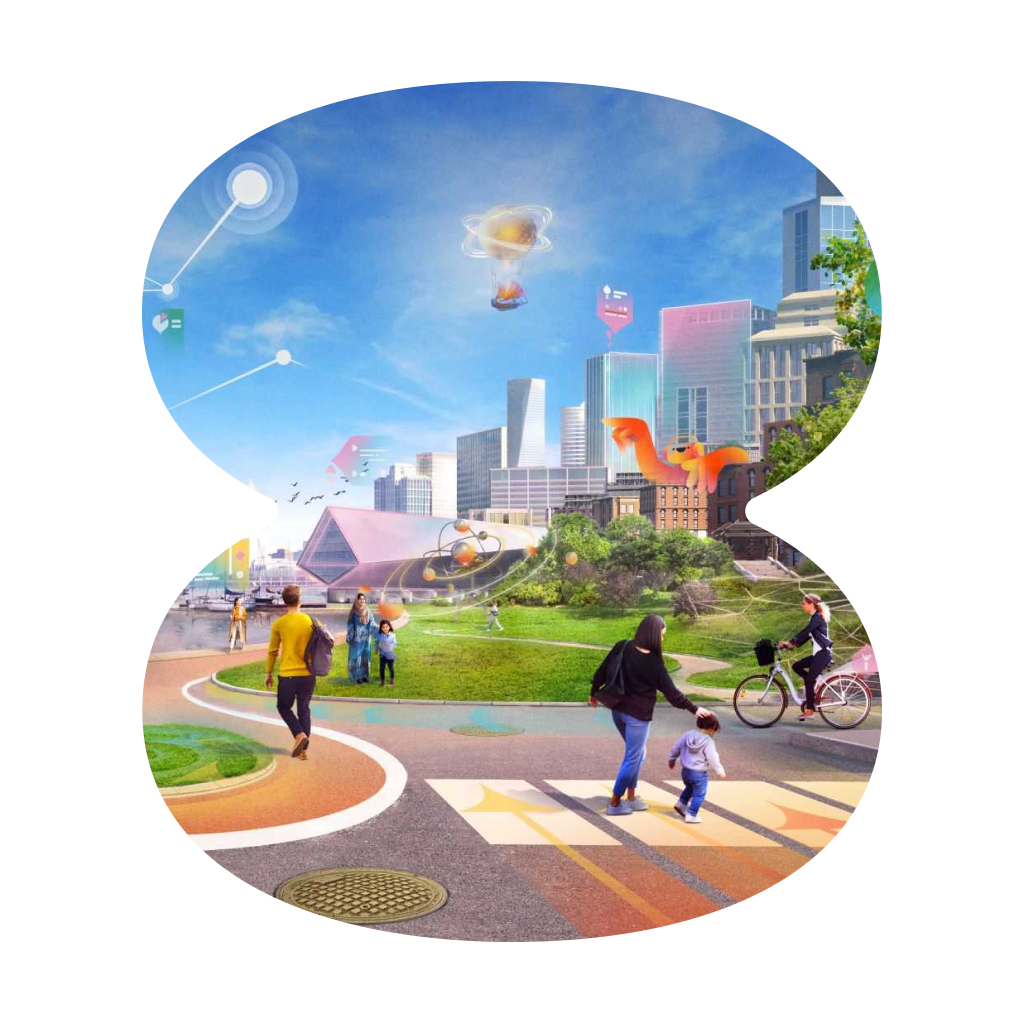
The creators of Pokémon Go offer augmented reality development tools uniting AR with physical reality through real-time mapping, semantic segmentation, and multiplayer capabilities.
SuperHi

An online education platform enabling creative learners to study globally while maintaining agency. The platform introduces innovative approaches like Basic Income initiatives and token-based community ownership through DAOs.
Fable Studio

Creates AI-powered interactive characters capable of learning and decision-making. Characters like Lucy (from Neil Gaiman adaptations) and Olympic athletes Beck and Charlie demonstrate educational potential, with founder Edward Saatchi noting: "in five years, we think every Gen Z person will have an AI virtual being as that close friend."
Magic Keys

An augmented reality piano instruction app for Magic Leap One that teaches musical pieces gamified like Guitar Hero, enabling playable pieces within minutes regardless of prior experience.
What's Going to Be Different?
New Wine, Old Oak
Drawing from Derek Thompson's "Hit Makers," the most successful future edutainment will combine novel technology with familiar formats—new concepts presented through recognizable structures gain broader adoption.
Saturday Morning TV Model
Kids' media expert David Kleeman predicts edutainment will resemble Saturday morning television: live entertainment from DJs and social stars, unmissable moments, simultaneous activities, token-based incentives, and avatar integration.
Multiple Access Points
MetaLearn success requires diverse entry points—real-time voting on initiatives, celebrity workshops, and varied topic pathways. Future educators will be avatar-based, leveraging Web3 tokens and on-chain credentials while creating immersive virtual communities globally.
← Scene 1: Liquid IP | Scene 3: Play-to-Learn-to-Earn →