Edutainment 1.0
act 2 — scene 2
Childhood: 1950s-80s. In just 3 decades, a flood of new ideas, approaches, and mediums came to the fore. Edutainment accelerated, and permeated areas where its forefathers could never have imagined.
1950s: True Life
Walt Disney discussed edutainment when describing its True Life Adventures series that won eight Academy Awards during the following 10 years. Although contrary to popular belief, Disney never used the word itself.
Edutainment as branding, and selling ignorance
The 50s saw huge growth in consumer goods and increases in quality of life in the Western World. Charles and Ray Eames used edutainment as a persuasive branding tactic. Instead of just showcasing products like their lounge chairs, they produced educational content, beginning with educational short films in 1950.
Architect Richard Saul Werman describes their strategy:
"You sell your expertise, you have a limited repertoire. You sell your ignorance, it's an unlimited repertoire."
1960s Hot & Cold
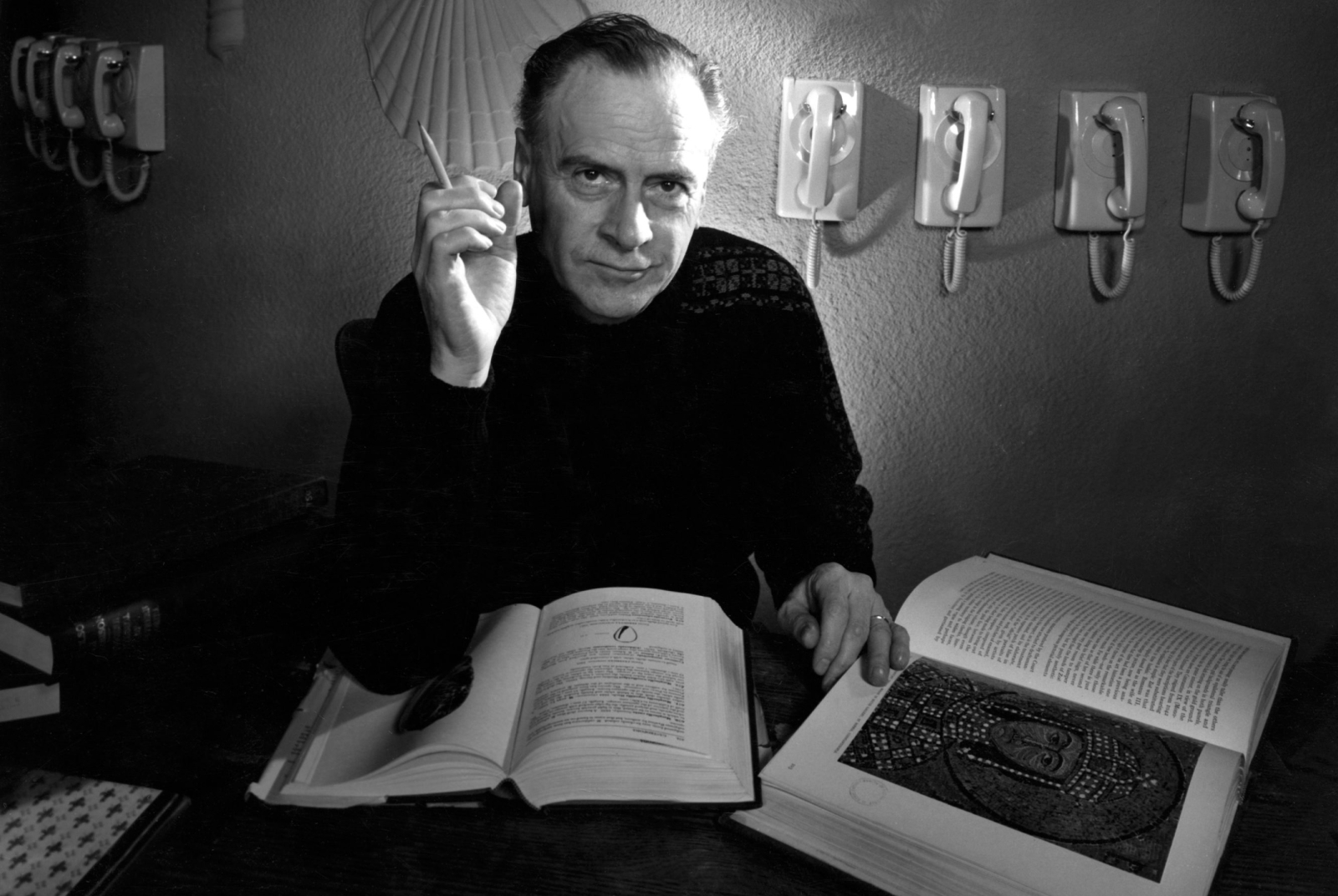
In the early 60s, Marshall McLuhan coined the term "Hot Media, Cool Media."
Hot Media
Hot media focused on engaging one sense completely with little participation necessary. Typically restricted to time and place, there was little audience interaction needed. Examples of Hot Media were radio and film.
Cool Media
Cool media was typically lower definition media that engaged several senses at the same time and less completely. However, it demanded a greater level of interaction from the audience.
Teachers too cool for school
The 60s were also a period where renegades and iconoclasts found their place in popular culture.
Richard Feynman was probably the coolest teacher around. His storytelling techniques and approach to explanations and demonstrations were considered legendary—and still are today.
1970s: Public Service
The 70s saw the launch of new networks, channels, and production companies focused on elevating factual broadcasting. This led governments and public health groups to inject Edutainment into their messaging.
Children's Television Workshop
Sesame Street is where many people's minds go when they hear the word "Edutainment." And for good reason—it was a trailblazer. Orson Welles called it "the best thing that ever happened to television."
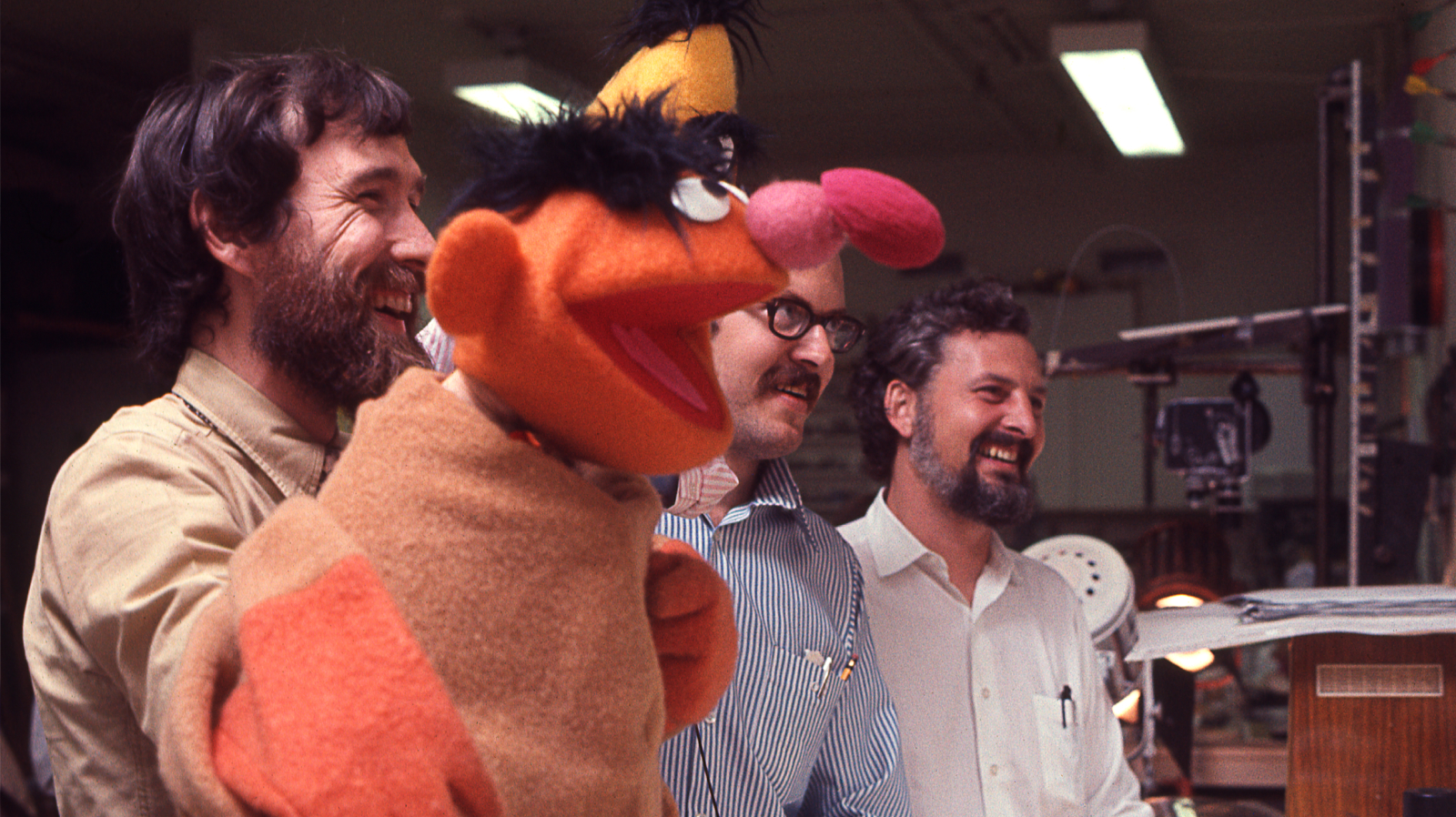
The producers realized that for many young people, television was their reality. By applying the commercial techniques used in television to sell food, cleaning products, and cars, they could also sell to children. Except they'd be selling mathematics and the alphabet rather than consumer products.
Sesame Street also leveraged the power of music, culture, and celebrity. Its list of guests is enormous—but perhaps one of the greatest appearances comes from Stevie Wonder performing "Superstition" in its full, wonderful glory.
Social Issues
During the 70s, various groups in the US, UK, and Latin America used Edutainment to address a variety of health and social issues. Among these were institutions like Johns Hopkins, NGOs such as PCI-Media Impact, and government agencies such as the U.S. Centers for Disease Control (CDC).
Meet Miguel

During this time, Mexican TV producer Miguel Sabido discovered Albert Bandura's research into Social Learning Theory.
Sabido decided to put these theories into practice—creating a form of telenovelas that drove social change. The approach was so successful that the Mexican government even used a telenovela to successfully promote family planning to curb the country's high birth rate.
The "Sabido method" has been adopted around the world—from Tanzania to India to Peru to China.
In Focus: The Sabido Method
Dive into the 3 steps to bring The Sabido Method into your own projects
1. Research, to make 'em relatable
Albert Bandura found that we learn through role models, and the more we identify with a role model, the more likely we are to imitate them and internalize lessons from them.
To make relatable characters, research your target audience. Don't just have caricatures or stereotypes of them, really get to know them, and make characters they see themselves in.
Also, don't just make the character relatable, but also the kinds of problems they'd face, the situations they're in, the world that surrounds them. All that has to be relatable. The audience needs to know: this could be me.
2. We learn through the characters
Another core finding of Social Learning Theory is that we learn vicariously. We don't need to be directly rewarded to learn to do something, or directly punished to learn not to do something. We can learn by observing others, and see what happens to them.
The Sabido Method has three main types of characters:
- The negative role model, who does the wrong thing and is punished as a result of their actions
- The positive role model, who does the right thing and is rewarded as a result of their actions
- The most relatable group of characters, the "transitional" characters. Some of them may fall to the wrong side, or grow to adopt the lessons.
All these characters, and their character growths, help the audience learn all the possible paths their own life choices can take them down. The lessons are given through show, not tell. The audience doesn't just see one path of change, they see all of them, negative and positive.
3. Epilogue: "...And You Can Too!"
If I identify with a character, fictional or not, and then see said character grow over time in an achievable, believable way... well, then I'd believe it! And I'd believe I can make that positive change in my life too. But believing I can make a change isn't enough, if I don't know how (known as self-efficacy in Social Learning Theory).
The Sabido Method has one final part: the epilogue. In the epilogue, a narrator summarizes what just happened and gives phone numbers or addresses to specific resources, like crisis hotlines or STI clinics.
Earth, Moon & Stars
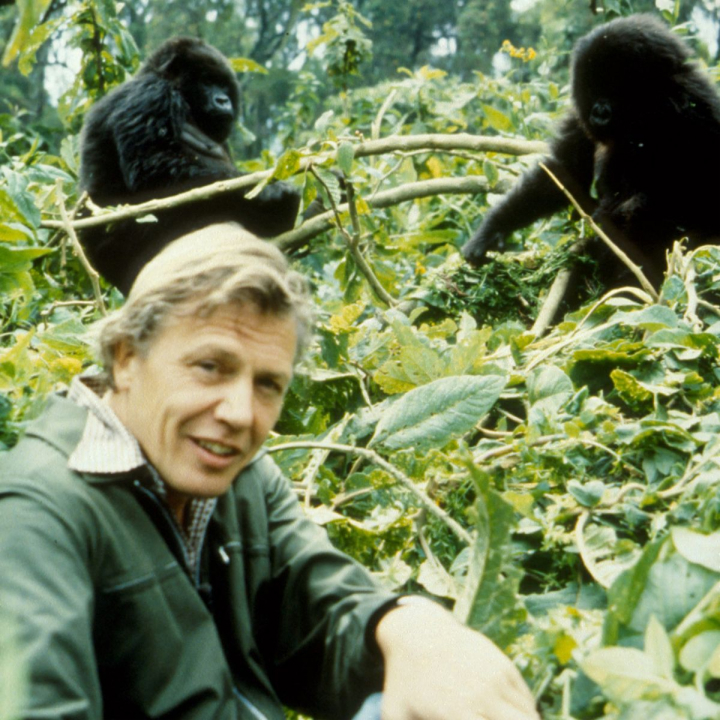
The other example of 70s Edutainment with vast global impact was a TV series presented by an unassuming Englishman named David. Even in today's vast landscape of documentaries, David Attenborough's Life on Earth is still considered a watershed moment in wildlife film-making and documentaries as a whole.
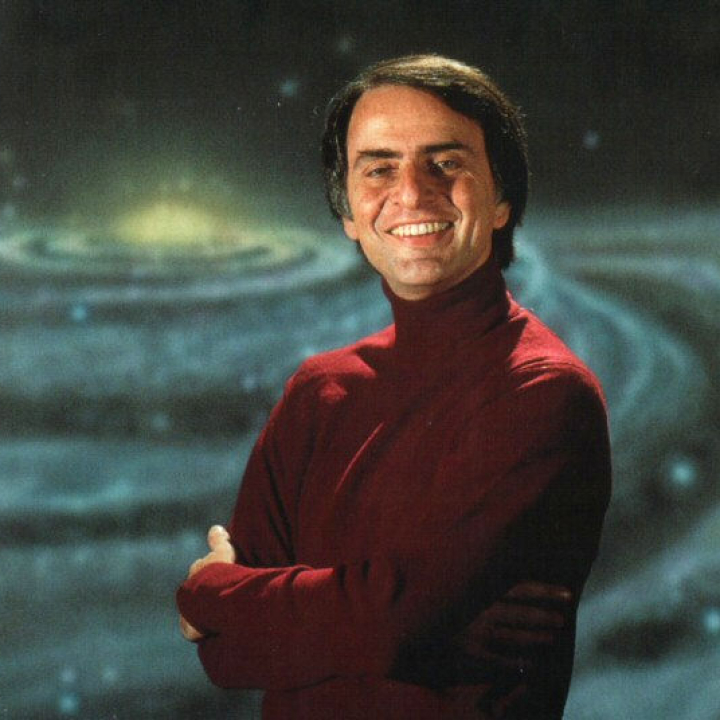
Soon after Life on Earth, Carl Sagan's Cosmos series launched. Weighing in with a significant budget of over $6 million, the show was a risk for its producer, PBS. However, it's since been made available in over 60 countries and seen by over 500 million people. Another science edutainer, Sagan was heavily influenced by Richard Feynman and was a precursor to the likes of Neil deGrasse Tyson.
1980s: Mass Media
The 80s were when many parts of life scaled up: big hair, Gordon Gecko, wealth gaps, and cable TV.
One is not amused
Neil Postman's 1985 book "Amusing Ourselves to Death" observed media shifting from print to TV, and a knock-on effect of politics, religion, news, athletics, education, and commerce being transformed into congenial adjuncts of show business.
Understandably, Postman didn't see this as a particularly good thing.
There were some positive examples though...
Games level up
In 1980, a quartet of Palo Alto-based entrepreneurs and engineers founded The Learning Company.
They saw the Apple II as an opportunity to teach children skills in reading, science, math, and problem-solving.
Over the next 5 years, TLC launched over 15 products, including classics such as "Reader Rabbit," "Zoombinis," "The Oregon Trail," and "Carmen Sandiego."
Oh, and McLuhan's "Hot & Cool" concept really kicked in at this point...
Hip hop culture
Hip hop is a fascinating medium in so many ways:
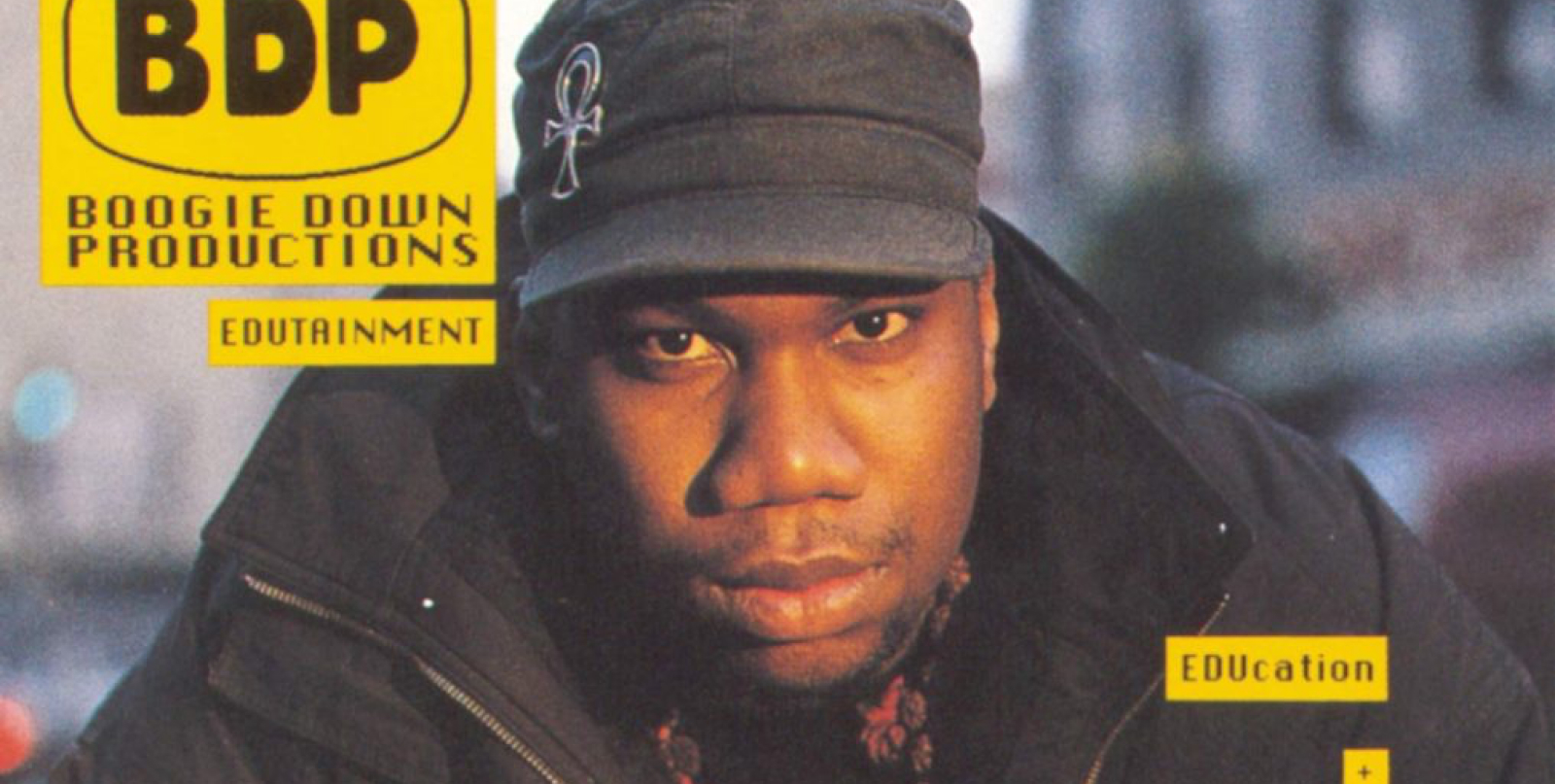
- Multiple roles and access points (DJ, MC, producer, breakdancer, graffiti artist)
- Participants and practitioners learn and exchange by sharing moments of performance together
- Mixtape culture emerged, cutting and blending elements from a huge variety of sources to weave together unique stories
- The rapid transmission of technical and historical knowledge
All these elements are both prevalent and relevant in today's Edutainment 3.0 world. Here at Wavetable, we think of the future of learning as being more like a hip hop mixtape than a classical recital.
However, as this first wave of contemporary Edutainment became woven into dozens of areas, much of it began to feel disjointed, confused, and cheap.
The rise of cable TV led to less focus on the ethos of accuracy being valued over entertainment.
Many of Neil Postman's concerns turned out to be true. Whether it was sharks being depicted as evil human hunters on Discovery's Shark Week, or pseudoscientific documentaries being portrayed as truth, the scientific and educational value of content declined.
Something had to give. Where could Edutainment turn next?
It was time for the educators to fight back. Enter, Edutainment 2.0.
← Scene 1: Zero to One | Scene 3: Edutainment 2.0 →