Transformation
act 2 — scene 4
The influence of Serious Games kept growing, as did other types of immersive experience. Meanwhile, the era of the individual spilled out from traditional celebrities and thought leaders into... well, almost anyone. Although the end of the decade proved celebrities still held some sway...
"...another trend has been playing out, too. Call it the academization of leisure. It can be found in the live-streaming TED Talks lectures, the Great Courses, learning vacations, podcasts, science centers, brain-training games..."
— Greg Beato, The New York Times 'Turning to education for fun' 2015
Early 2010s: Work & Play
At the end of the 2000s, brands were getting in on the Experience Economy. If you couldn't beat them, join them. So they did.
The New York Times
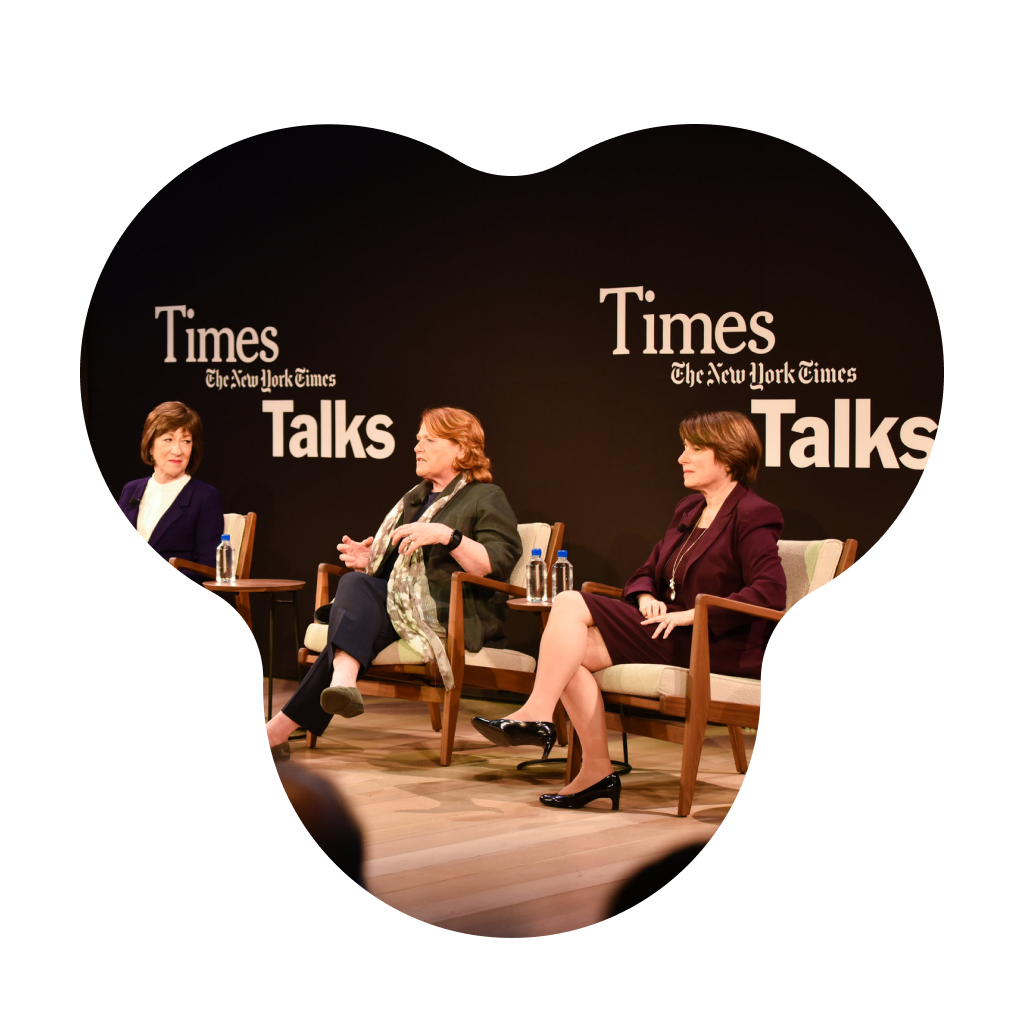
Between its Times Journeys program and Q&A sessions with figures from the film and music industries, The New York Times created interactive experiences that turned it from a traditional newspaper to a renowned experience provider.
Note: the company discontinued its Times Journeys program in 2021. We're curious to see what their New Products team have planned next...
The Smithsonian

Tailor-made adventures from a museum? Whether you want to experience small-group land journeys, ocean cruises, river cruises, active journeys, cultural stays, or private jet trips, The Smithsonian's Journeys program offers "life-enriching experiences worldwide." No need to wander through plain exhibits when you can join global experiences instead.
National Geographic

Why just read a magazine when you could trade drinks by the pool for in-the-field instruction from art historians and volcanologists? This is exactly how National Geographic became known for its learning vacations via its Expedition program.
Secretly Educational
"I'm calling for investments in educational technology that will help create… educational software that's as compelling as the best video game. I want you guys stuck on a video game that's teaching you something, other than just blowing something up."
— President Barack Obama, 2011
While brands were figuring out how to tap into the Experience Economy, the Serious Games movement saw games as educational tools without the "educational" label.
"If a studio has a game and they're not looking at the educational market, then they're missing out."
— Judy Tyrer, renowned games developer
MassiveCraft
One example of this is MassiveCraft, a medieval fantasy role-playing server where players learn through immersive storytelling and having to follow the server's rules.
Developer Zach Barth noted the strategic advantage of this approach:
"We're going to sell so many more copies by having a game that's not called educational."
The Rise of EdTech
"What began as a novelty between 2006-07 with pre-recorded lectures on Youtube has, over the years, evolved into a multi billion dollar industry that touches the lives of millions of users on a daily basis.
Today, ed-tech is no longer about standalone videos on YouTube, but is an umbrella term that refers to any technological initiative designed to streamline learning - be it in the K-12, test preparation, upskilling or B2B space."
— Surya Suresh, Business Today
Investment in EdTech grew over 500% between 2010 and 2014. Here are a few examples of platforms that emerged during this era:
Duolingo

Turning translation into a game. Duolingo, co-founded by Luis von Ahn (the inventor of the CAPTCHA), uses game-like attributes to translate the web into every major language for free.
How? By using the collective intelligence of the internet. Players can simultaneously learn a language and work to translate the web.
Brilliant
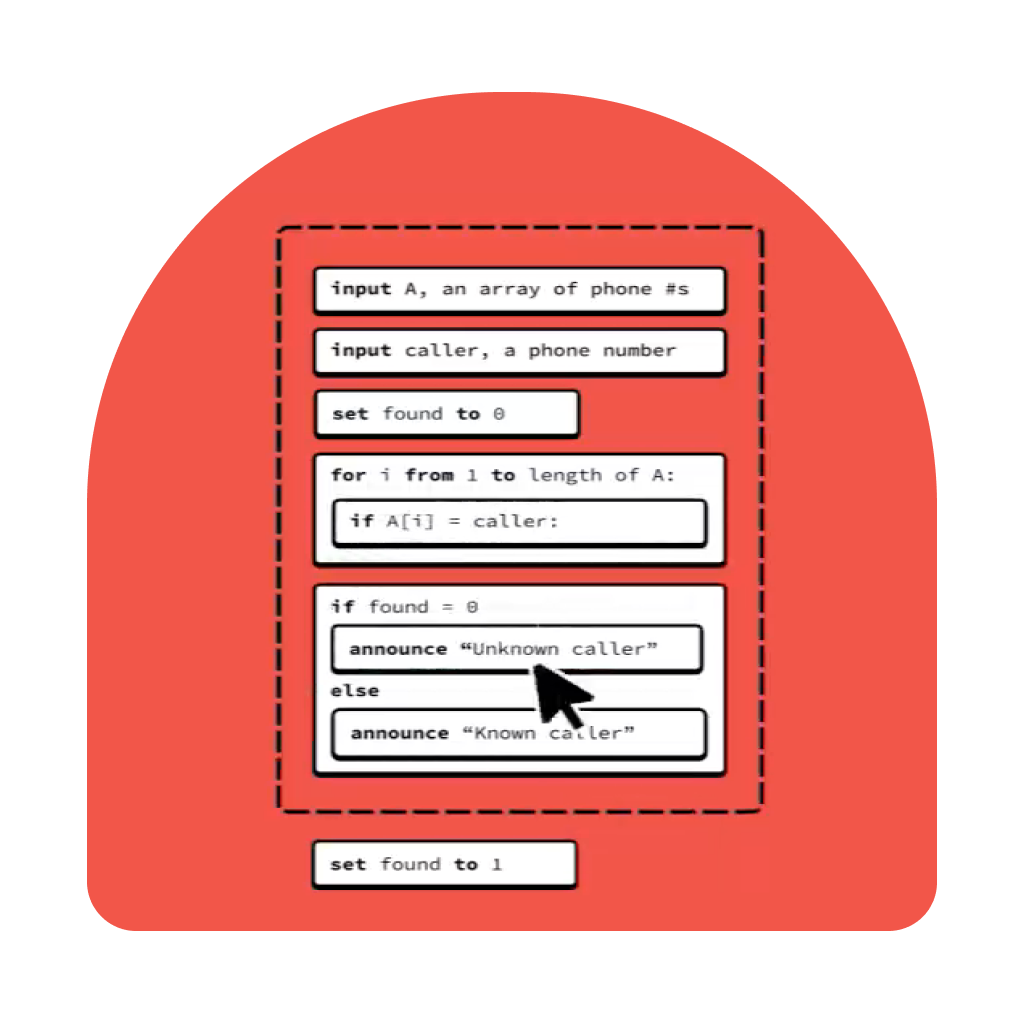
Brilliant is a platform that turns traditional lecture videos into hands-on experience. This new way of learning promotes problem-solving skills with natural curiosity, instead of the threat of testing.
It removes all the stress and replaces it with play. Enrollment > Enforcement.
Kahoot!

Kahoot! is a game-based learning platform where people can learn anything from creating presentations to training employees in a fun and engaging way.
With 1+ billion players every year, learning at school, at work, and at home has never been easier.
The company recently announced Kahoot+, a series of paid-for subscription products to help kids learn and play at the same time with topics ranging from reading to math.
Inside track: Kahoot's Big Bet
The trajectory of companies like Kahoot! (founded in Norway in 2012) illustrates how EdTech evolved to meet global educational needs. Their platform transformed assessment into a social, gamified experience that spread virally through schools worldwide - designed for "heart, hand and mind."
Mid 2010s: Evolution of Creators
Experience to Transformation Economy
"The Experience Economy was about the sharing of experiences—so Starbucks went from being a coffee franchise to a 'third place.' That is, neither home nor work, but a 'third place' in which to live your life. Buying a cup of coffee became an experience, a caffeinated theme park of sorts.
The next iteration of this idea is the Transformation Economy, where you're not just paying for an experience, you're paying to have your life transformed by this experience."
— Peter Diamandis, founder of the XPrize
Podcasts
Podcasts democratized Edutainment. What started as a niche format exploded into mainstream media, making educational content accessible and convenient.
Examples like Freakonomics Radio, Invisibilia, and Stuff You Should Know showed that people were hungry to learn – as long as it was entertaining.
Creators & Influencers
The rise of platforms like Udemy, Coursera, Teachable, and CreativeLive enabled individual creators to monetize their expertise. The barrier to becoming an educator dropped dramatically.
YouTubers like John and Hank Green (the Vlogbrothers) accumulated over 55 million social media subscribers and 5+ billion YouTube views through their educational content empire that includes CrashCourse, SciShow, and more.
MasterClass
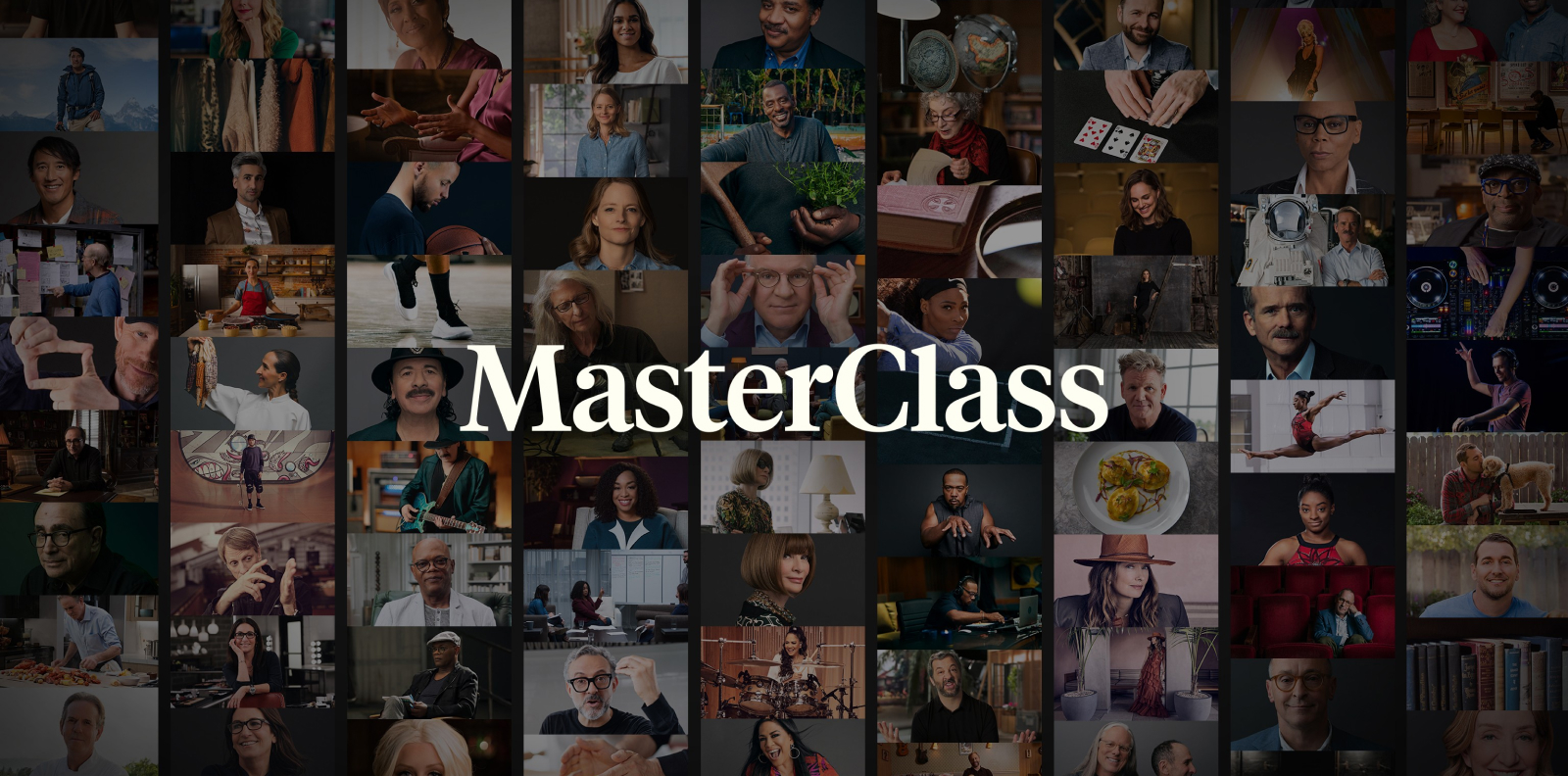
And then there was MasterClass – positioned as education but rooted in entertainment.
"Will someone do a MasterClass but only for knitting? Sure, someone always goes hypervertical. We won't own the entire world of edutainment—but maybe we're the HBO of it."
— Sam Lessin, MasterClass investor
"Eventually, it'll be like the way adults now talk about 'Sesame Street' in their childhoods… we're 'Sesame Street' for adults."
— David Schriber
However, critics noted the limitations:
"MasterClasses exist in the uncanny valley between first principles and technical details. Its form of teaching is a grab bag of tips and reflections... the existence of such generalized wisdom is a foundational belief in capitalist cultures. It's also a proven business model."
— David Schriber
MasterClass showed both the potential and limitations of celebrity-driven learning – weak peer learning, community gaps, and emphasis on entertainment over pedagogy. These are issues that Edutainment 3.0 would need to address.
Summary
Edutainment 2.0 saw an increased desire for growth and self-actualization - not just for audiences, but also for the providers of Edutainment.
While new wave creators and influencers, podcasters, and established celebs were all able to carve out a space for themselves, even the most forward-thinking of people couldn't see what was coming next...
For our final scene in Act 2, we're moving towards the edge.
← Scene 3: Edutainment 2.0 | Scene 5: The Precipice →