The Precipice
act 2 — scene 5
Just like college or your first internship, the honeymoon phase can't last forever.

The Tipping Point
The 2020 pandemic triggered cascading societal effects that would have a profound impact on Edutainment. Technology influence and workforce instability created the perfect storm.
1. Widening Inequality
Economic impacts affected populations disproportionately. According to World Bank analysis:
"Bottom 40% incomes fell 6.7% versus pre-pandemic projections; top 40% down just 2.8%."
Solutions emerging include apprenticeship programs from companies like Jolt and Multiverse, targeting underserved populations with skills-based learning.
2. A Great Resignation
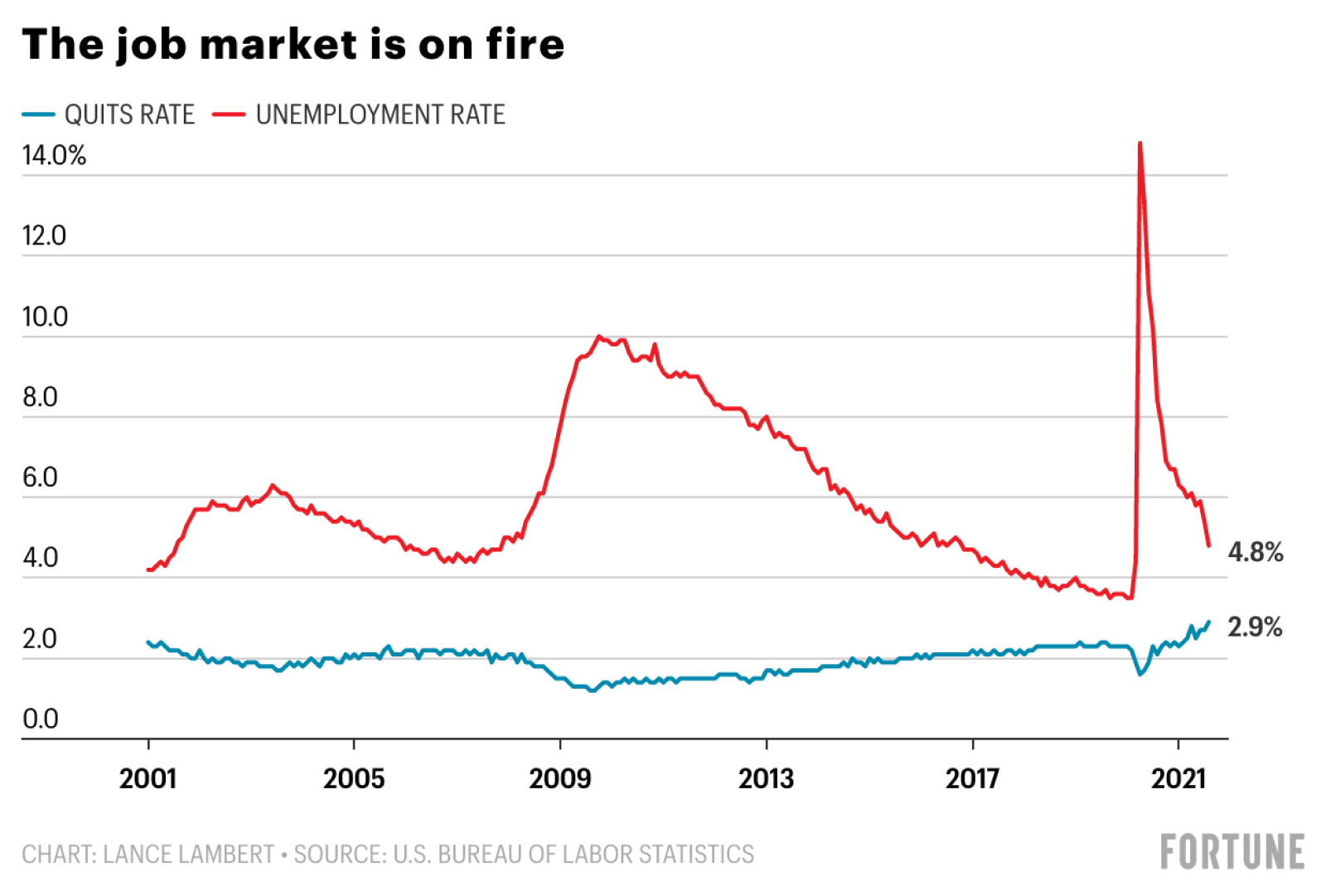
Massive workforce departures characterized this period:
- 4 million Americans quit their jobs in July 2021 alone
- 10.9 million jobs remained vacant simultaneously
Burnout and blurred work-life boundaries drove employees to reconsider work's role in their lives. The question "what am I doing this for?" became unavoidable.
3. Acceleration of Technology Adoption
McKinsey research indicated customers experienced 3x more likely digital interactions than before the pandemic. This expanded addressable markets dramatically.
Solutions like GrandPad (an iPad-style device designed for seniors) showed that technology adoption was reaching new demographics.
4. Education and Entertainment Become Ripe for Disruption
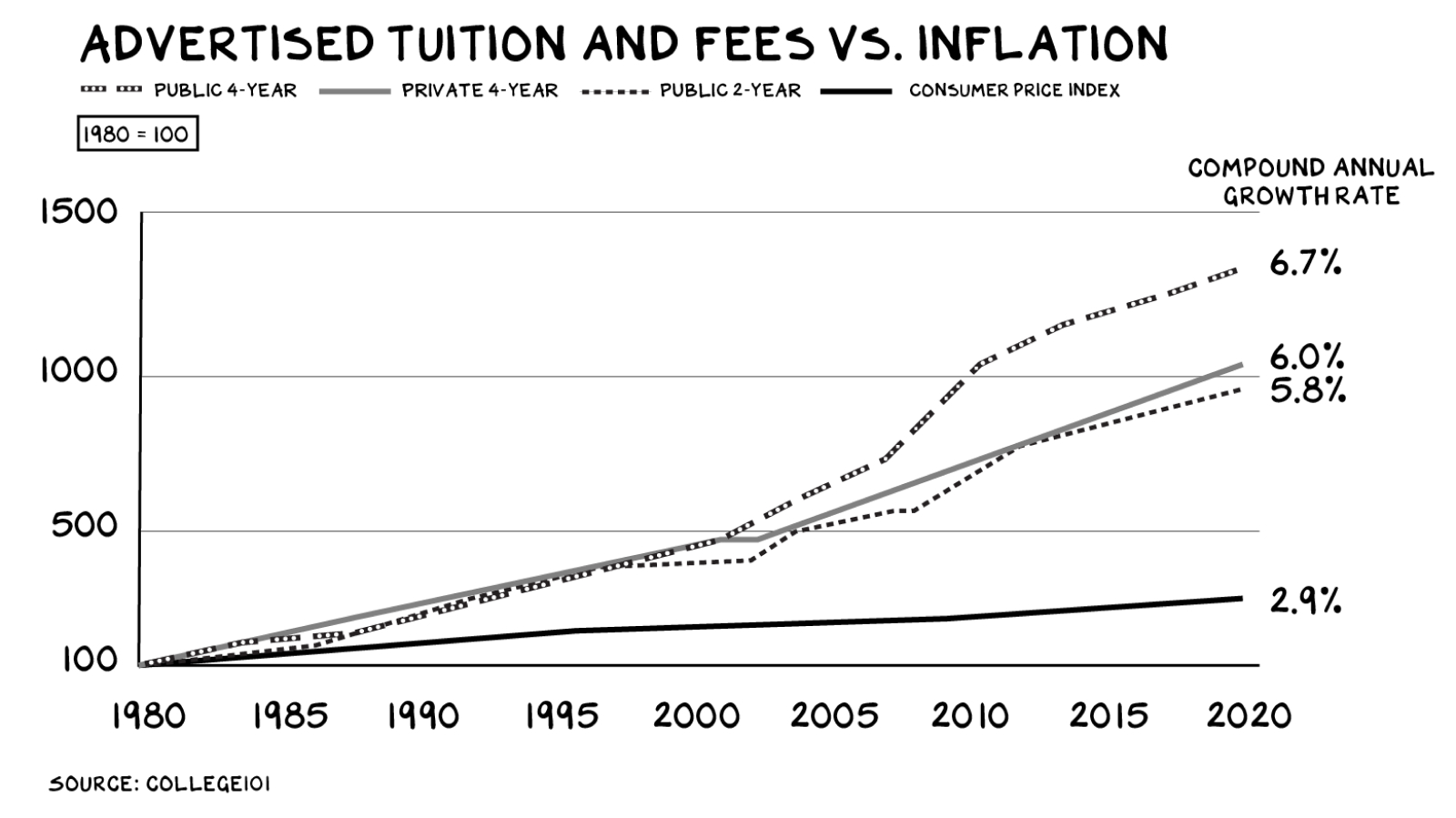
Education costs were already out of control:
- Tuition rising 8x faster than real wages
- Americans carrying $1.5 trillion in student debt
Meanwhile, Netflix's pandemic success contrasted sharply with Hollywood's cinema closures, demonstrating streaming entertainment's resilience and the shift in how people consume content.
Edutainment Has a "Big Bang" Moment
And as with many things, kids led the way...
Parents faced dual pressures: entertaining homebound children while maintaining educational continuity. The results were initially troubling – schools reported a 30% increase in failing grades.
But parents adapted. They sought solutions blending education and entertainment through video platforms, spawning an Edutainment boom.
The Numbers Tell the Story
- 8 in 10 parents thought content should be both entertaining and educational
- 67% of kids watched more educational content during the pandemic
- 50% of parents believe their kids will watch more Edutainment content in the future

Joe Wicks (The Body Coach) became a household name by making fitness fun and accessible for families stuck at home. His PE lessons drew millions of participants.
Opportunity Knocks
The pandemic's mental health crisis – particularly affecting children – created opportunities for brands and creators to make a genuine difference.
TikTok emerged as a key platform, emphasizing community-building content over passive consumption. Evidence of success:
"67% of shared videos extended beyond the platform," with friends and family engaging across distances.
#EduTok
The #EduTok hashtag achieved over 138 billion views since inception, proving there was massive appetite for educational content in short-form video format.
And boom...
Edutainment reached a critical inflection point.
The convergence of:
- Inequality expansion – creating demand for accessible learning
- Workforce disruption – driving people to reskill and reinvent
- Technology acceleration – making new formats possible
...positioned Edutainment as a transformative societal force.
Early-adopting brands leveraging community-focused content gained competitive advantages. The table was set for something entirely new.
Welcome to Edutainment 3.0.
So, what's the next chapter in this story...?
← Scene 4: Transformation | Act 3: Young Adulthood →