Higher Ed Has Serious Fun
act 4 — scene 6

Imagine... Professors become facilitators and improvisers, storytelling takes center stage, and games, simulations, escape rooms, and real-life projects become the norm.
What's Happening?
Formal education institutions rely on outdated methods rooted in the Industrial Revolution, leaving students disengaged. Pioneering institutions are transforming the landscape.
"As education becomes dematerialized, demonetized and democratized, every man, woman and child on the planet will be able to reap the benefits of knowledge."
— Peter Diamandis, Singularity University founder
Why It Matters: Experiential learning increases engagement, creates collaborative spaces, and helps students become lifelong learners who retain knowledge more effectively.
In Action: Higher Ed Examples
Acton Academy & School of Business
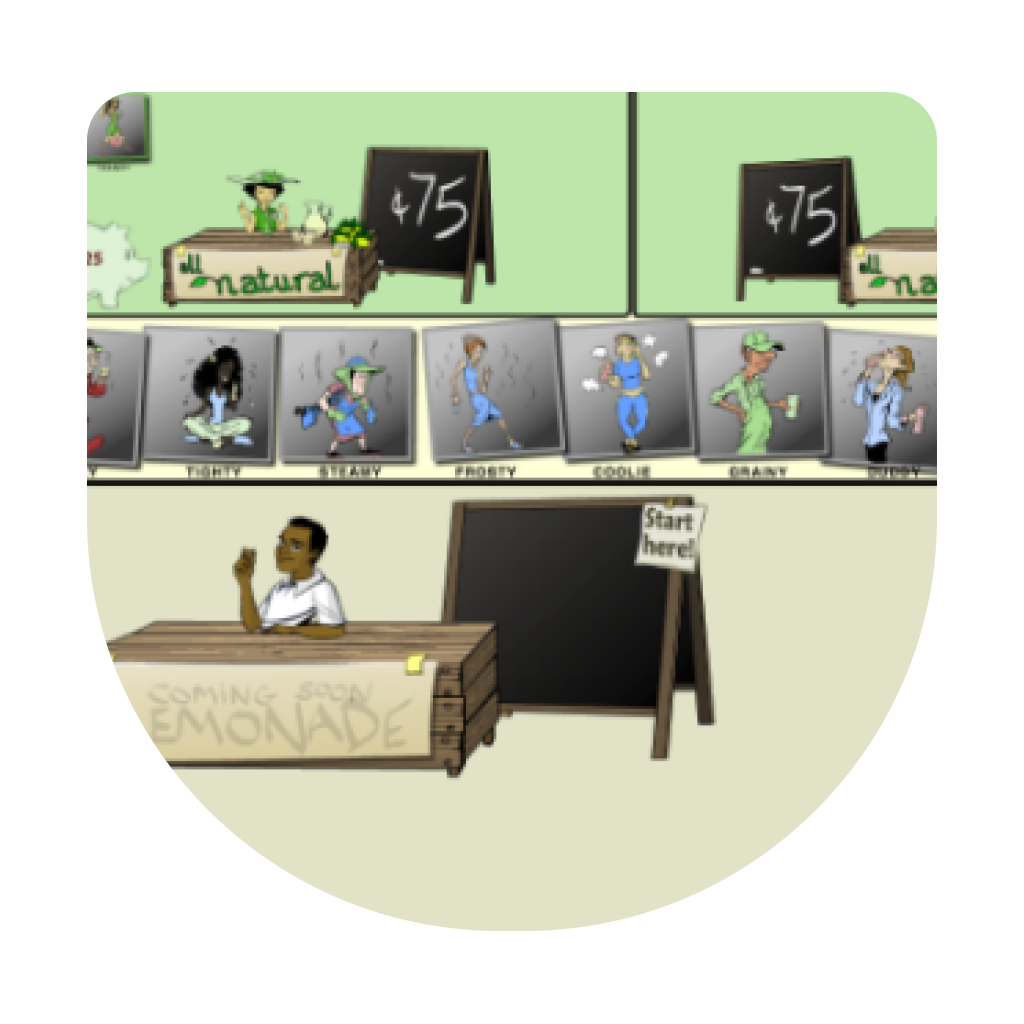
Students experience their hero's journey through an alternative MBA program utilizing Socratic discussion, case studies, bootcamps, and sales challenges. Teachers facilitate rather than lecture, developing students' skills as independent learners.
UFM's Learning Innovation Center
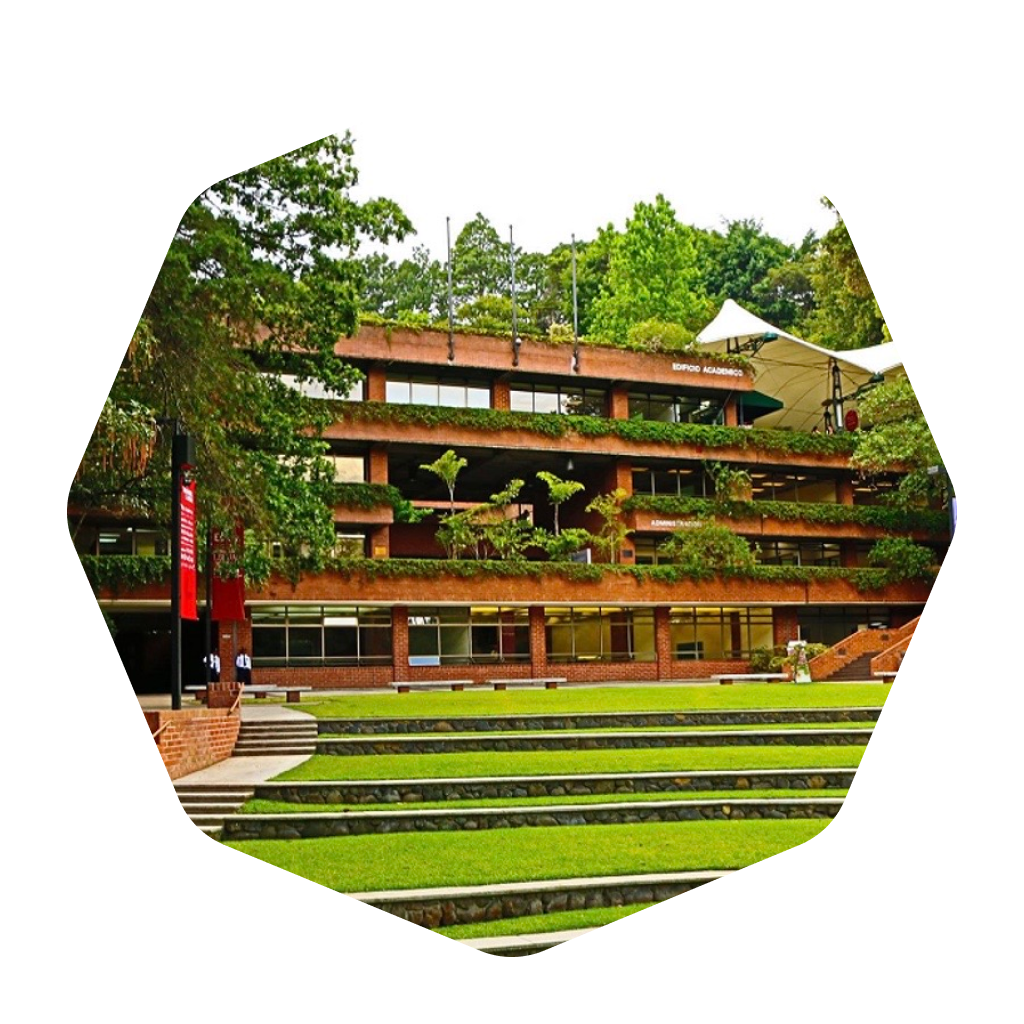
A private university (Guatemala City, Panama, Madrid campuses) with a dedicated center teaching professors to design meaningful learning experiences through workshops, facilitation skills, improv, games, and project-based learning.
Outlier
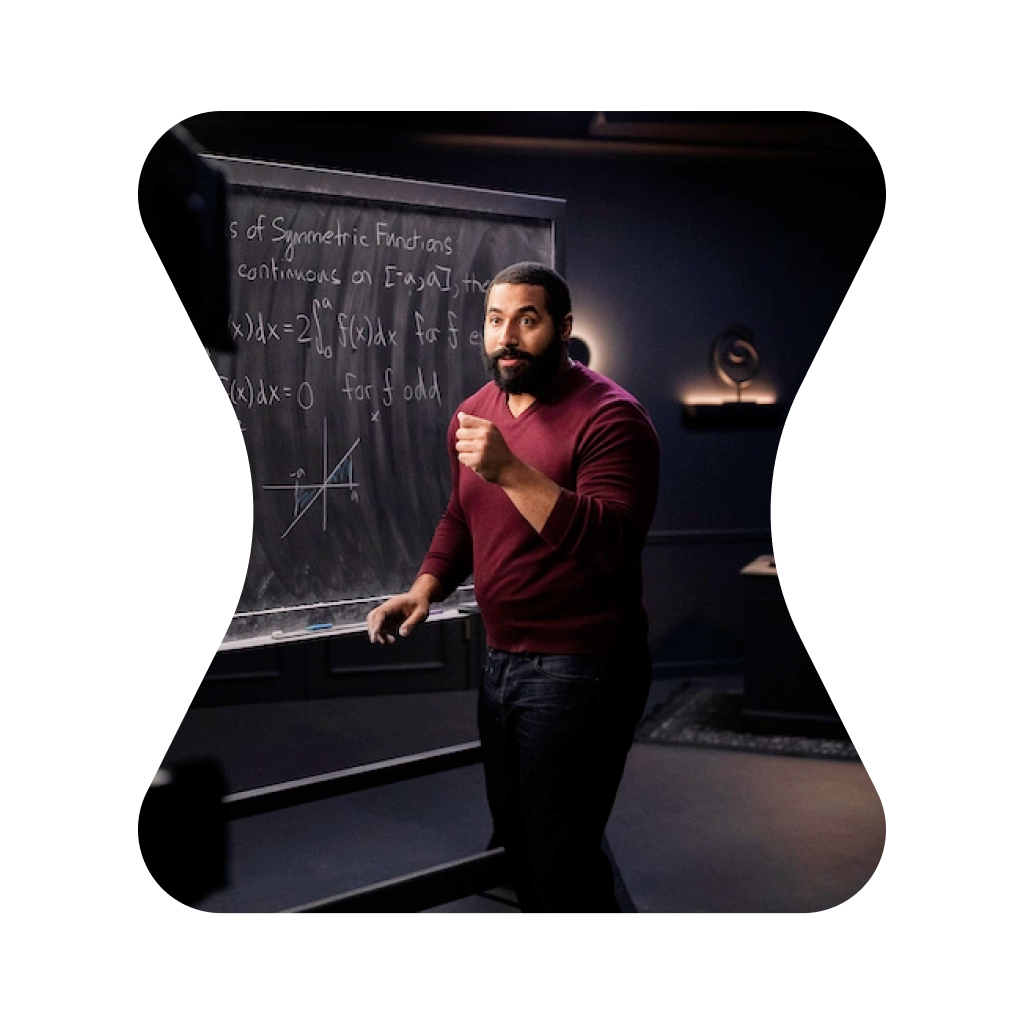
An online platform offering for-credit college courses from leading professors with digitally-native materials, flexible exams, student support teams, and peer-to-peer cohorts. Recently partnered with Amazon for free college preparation courses.
Key Themes for Edutainment 3.0
Globalization, Accessibility, and Inclusivity
Higher ed becomes more accessible through diverse, inclusive learning methods replacing passive lectures.
Structure and Outcomes Rooted in Reality
Hands-on experiences solving real-world problems with clearly defined learning outcomes.
Academics Becoming Entertainers
Professors transform into facilitators, improvisers, and storytellers.
In Action: Ones to Watch
Marginal Revolution University (MRU)
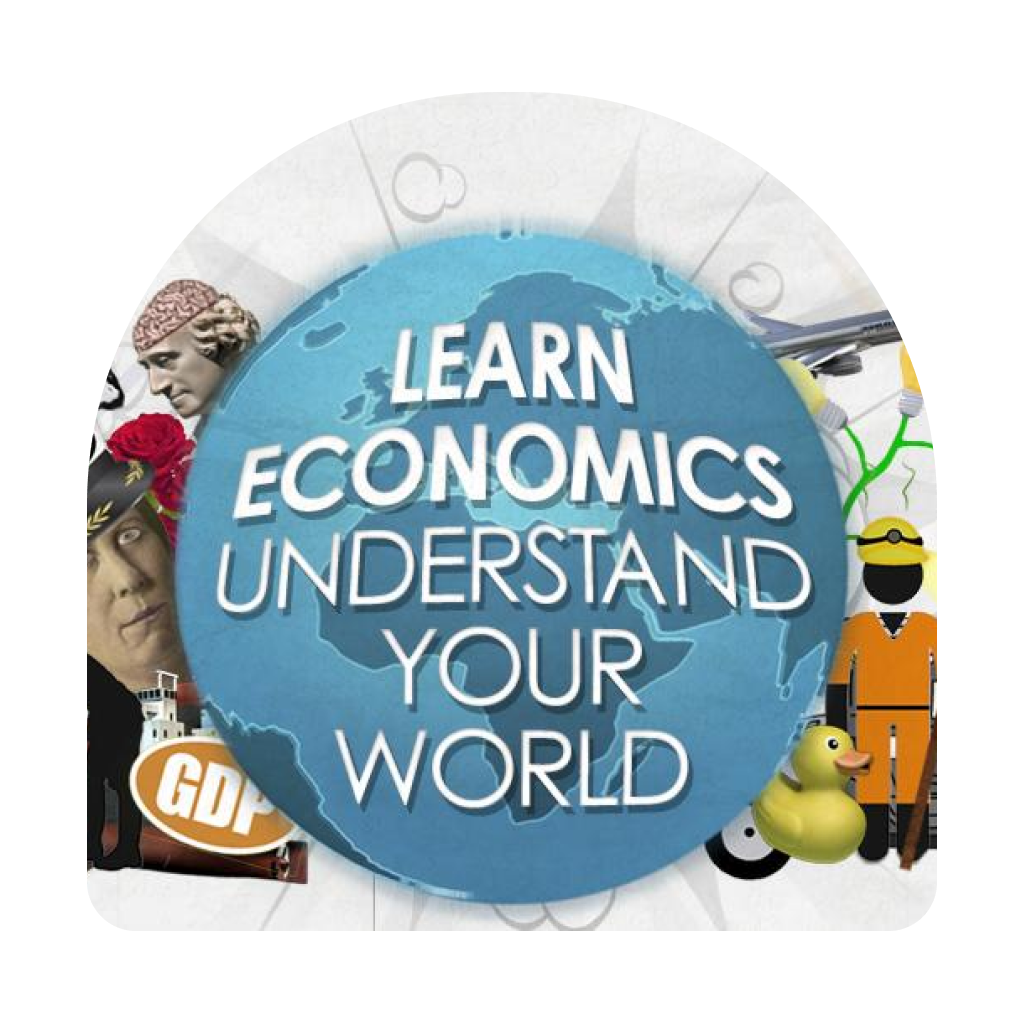
Tyler Cowen's online platform teaches economics through engaging content and innovative approaches, including cartoon-based courses with character hero's journeys (e.g., "Mastering Econometrics: The Path from Cause to Effect").
Open Borders: The Science and Ethics of Migration

Brian Caplan's book presents complex migration concepts as a comic, combining research with conversational tone and illustrations for compelling edutainment.
University of Texas: Be a Longhorn

Created virtual campus visits using AR technology, enabling prospective students to experience campus life, academics, and traditions through AR mailers, tours, and photobooths.
Guidelines for Greatness
Student-Centered Design
Place participants at the experience's center.
Engaging Doesn't Mean Simplistic
Complexity and fun can coexist.
Communicate Goals Explicitly
Clearly state learning outcomes and objectives.
Opportunities
- Simulations and Video Games: Story's power makes students more likely to remember lessons
- Improv in Classrooms: Encourages students to step outside comfort zones and genuinely engage
- Transform Dull Subjects: Make accessible content for traditionally dry topics like finance and math
Challenges
- Clear Objectives Required: Establishing goals and objectives prevents confusion in edutainment experiences
- Personalization Complexity: Requires significant effort and isn't an exact science
- Virtual Fatigue: Students fatigued by virtual learning crave face-to-face interaction; content must stay fresh
Spark Your Creativity
- Design one class component as completely student-centered—how would it differ?
- What simulation could enhance your sessions?
- Who are your topic's heroes and how could you bring them to life more vividly?
← Scene 5: Teachers Are the New DJs | Scene 7: User-Generated Edutainment →