User-Generated Edutainment
act 4 — scene 7
Imagine... Every country in the world had its own Education Corps where members teach globally while learning pedagogical best practices through public-private partnerships.
What's Happening?
The distinction between User Generated Content (UGC) and User Generated Edutainment (UGE) centers on pedagogy. While UGC focuses on general content creation, UGE emphasizes learning science principles.
Three drivers fuel this shift:
- Frustration with traditional higher education systems
- Technology reducing entry barriers
- New delivery models like cohort-based courses
Key insight: "As more learning about how we learn and teach becomes more engaging and accessible, the more people will use tried and tested pedagogical principles."
Expected Trends
- More unconventional classes versus linear structures
- Blended long and short-form content
- Study groups incorporating ASMR
- Student-remixed educational material
- Self-directed learning pathways
- Flipped classroom partnerships with institutions
In Action: UGE Examples
Interesting Engineering
Hüseyin Kilic transformed a casual blog into a 15.5-million-follower science platform earning "10X more than his engineering job" through subscription services.
Steuer Fabi
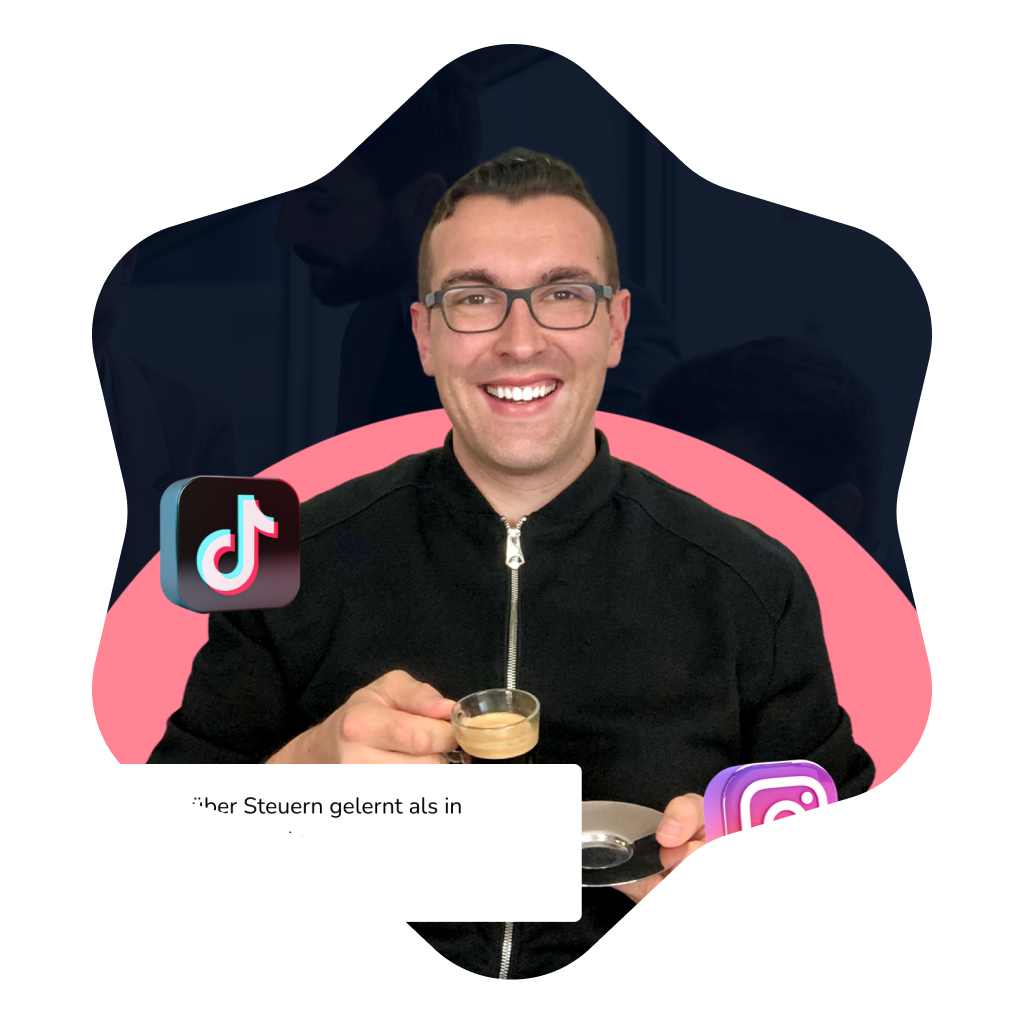
A German accountant with 700k+ followers creates quirky TikTok and Instagram videos making tax education entertaining and accessible.
Miss Excel

Kat Norton uses skits, dancing, and song parodies to help 650k+ followers master Microsoft Excel—demystifying traditionally intimidating software.
Teachers Transforming Classrooms
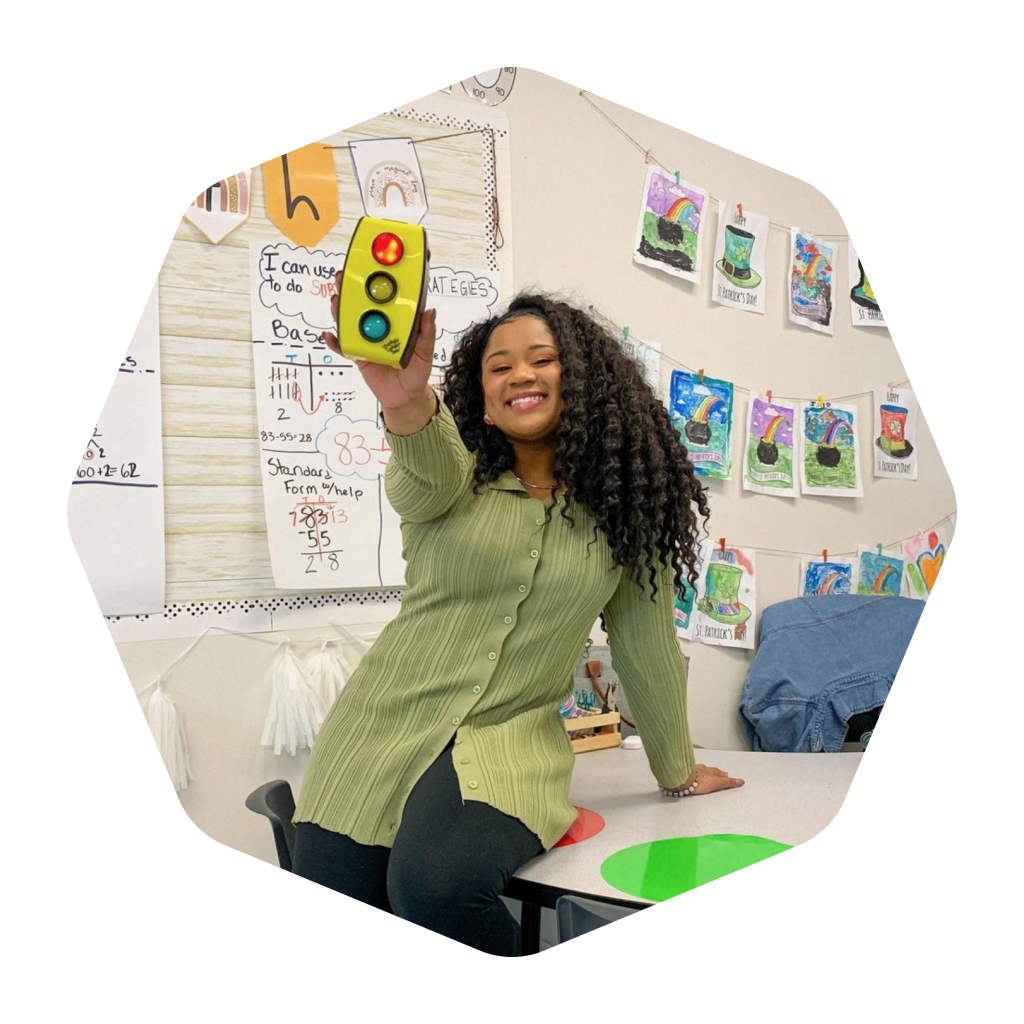
Educators like Brittany Sinitch leverage Instagram and YouTube (hundreds of thousands of followers) sharing lesson plans, Q&As, and authentic struggles, combining influence-building with community creation.
Key Themes for Edutainment 3.0
Platforms Expanding Learning
TikTok, LinkedIn, Snapchat, and Pinterest significantly expand educational content offerings. TikTok tested a "Learn" tab; Pinterest launched Pinterest TV.
Authenticity Appeals
Relatable, accessible, real learning beats polished alternatives. Vulnerability and openness distinguish UGE from professional educator content.
Influence Replacing Credentials
"Influence is the new accreditation." Demonstrated mastery and compelling presentation outweigh traditional institutional credentials in audience trust-building.
In Action: Ones to Watch
Video Essayists

Dan Olson (Folding Ideas) creates long-form lecture performances on pop culture and philosophy. His 2-hour 18-minute NFT critique garnered 7 million views despite minimal production value.
WEBTOON
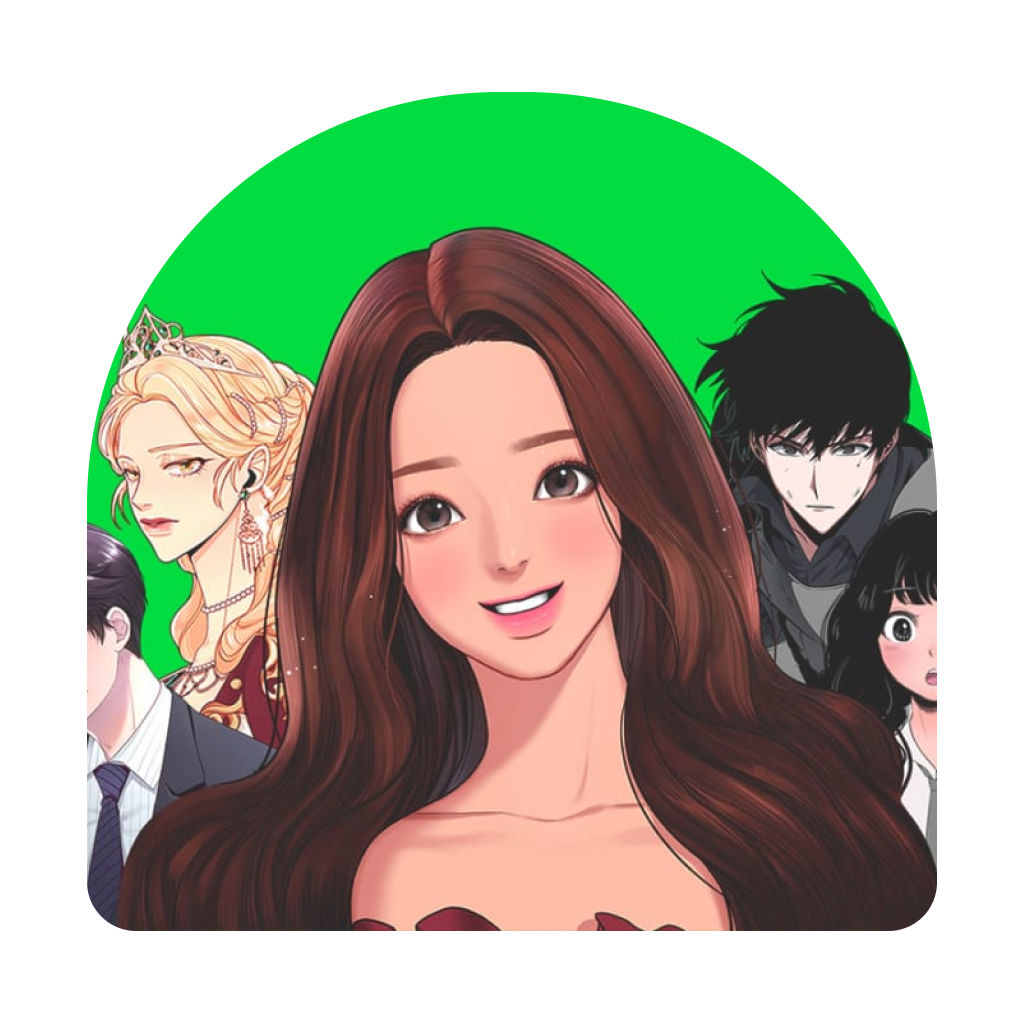
With 72 million monthly active users co-creating comics content, this South Korean platform positions itself advantageously for educational expansion.
Medical Influencers
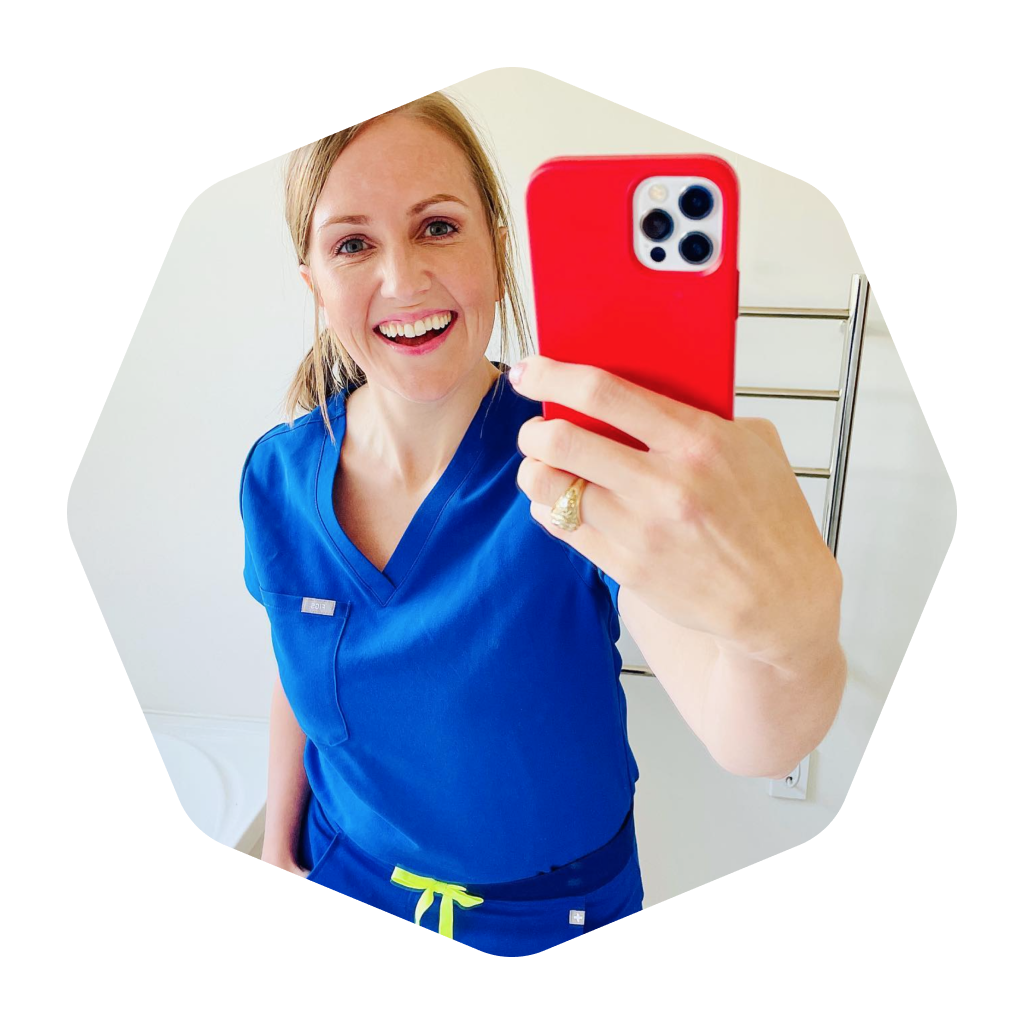
Practitioners like dermatologists and anesthetists unpack field-specific science through accessible tones, behind-the-scenes glimpses, and lighter presentations.
Guidelines for Greatness
Learning Communities
Establish communities voting on topic priorities, enabling learner autonomy.
Democratize Education
Through participatory content selection and collaborative creation.
Explore Learning DAOs
For deeper engagement and shared ownership of educational content.
Challenges
- Accuracy and Regulation: Peer-review limitations and misinformation risks persist
- Power Law Distribution: Top 3% of channels capture 85% of views; rapid growth remains unlikely
Spark Your Creativity
- Identify niche, overlooked, or mundane areas within your domain that deserve amplification
- Partner with community members for collaborative content creation
← Scene 6: Higher Ed Has Serious Fun | Scene 8: Businesses Get In The Groove →